


Unprecedented Winter Weather Blankets the Eastern U.S.
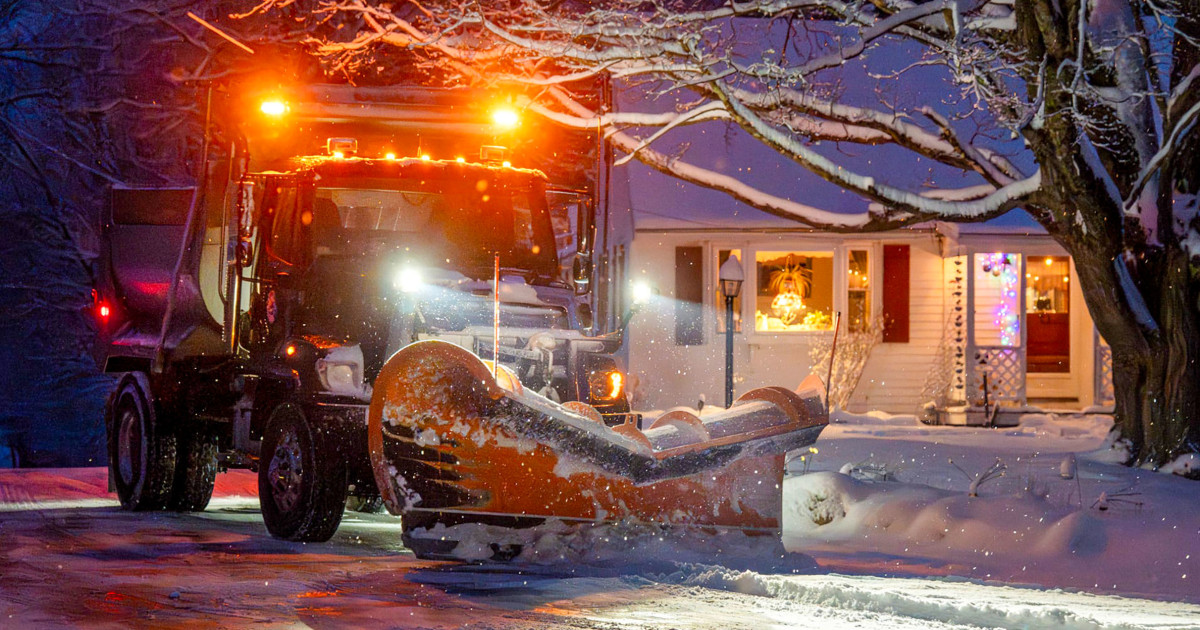
Snowfall has blanketed highways and neighborhoods across a surprising expanse—from Long Island all the way down to the Florida Panhandle—transforming familiar routes into winter wonderlands. This rare winter weather event is causing travel chaos just as many families are embarking on holiday trips for the Martin Luther King Jr. weekend.
Airline Travel Disruptions
As the snow fell overnight, thousands of travelers faced significant disruptions. Early Sunday morning, delays snowballed, with over 2,700 flights delayed across the U.S. and more than 340 cancellations, as reported by FlightAware.com. For many, their carefully laid plans for a long weekend were thrown into disarray, with airports across the Eastern U.S. experiencing the brunt of the weather impacts.
Winter Alerts Across the Country
Weather agencies have issued winter alerts affecting around 54 million people as two distinct storm systems affect a vast geographical area. From the northern Plains to the Great Lakes, and all the way down to portions of the Southeast, the effects of this weather phenomenon are being felt widely, underscoring the severity of this winter season.
An Unusual Southern Snowfall
What is particularly striking about this event is the snow reported as far south as the Florida Panhandle, Georgia, and Alabama—marking the second consecutive year of such rare snowfall in Florida. A line of rain and snow showers stretched all the way from the Gulf Coast up to the Northeast, a scenario unusual for these regions.
Snowfall totals as of Sunday morning included significant accumulations: 5 inches in Whitefield, New Hampshire, and around 4.5 inches in Saratoga Springs, New York. These numbers are impressive given the region and time of year, and they come with accompanying hazardous travel conditions.
Dangerous Travel Conditions
Traffic incidents have been reported as slick conditions have spread across much of the eastern U.S. A notable multi-vehicle collision occurred in Berks County, Pennsylvania, on Interstate 78, illustrating the dangers posed by sudden winter conditions.
Particularly hard-hit was air travel, with New York’s John F. Kennedy and LaGuardia Airports seeing the largest proportion of delays and cancellations nationwide. Additional ground delays were also reported at Newark Liberty International Airport, emphasizing how winter weather can disrupt even the most routine travel operations.
Snowfall Forecasts for the Southeast
In the southern states, including Alabama and Georgia, light snow dustings covered roads and neighborhoods unaccustomed to wintry conditions. Forecasts indicated snow totals in these areas could range from a light dusting to about an inch by the end of Sunday. However, as the storm system progressed, forecasters predicted more significant snowfall would impact the mid-Atlantic and New England regions, with projections of 1 to 4 inches in New York City and Philadelphia and between 3 to 6 inches in parts of Boston.
Northern Tier Storm System
Meanwhile, a separate storm system traverses the northern tier of the country, hitting areas in the Dakotas and Minnesota the hardest. Blizzard conditions were anticipated as gusty winds—reaching up to 60 mph—combined with falling snow to create dangerously low visibility. By Sunday evening, the heavy snowfall was expected to shift into parts of Wisconsin, Illinois, and Indiana, continuing to plague travel plans.
The heavy lake-effect snow bands are predicted to linger through the upcoming week, with forecasts suggesting accumulations could reach substantial heights—6 to 12 inches in areas of western Michigan and parts of western New York. More alarmingly, the Tug Hill Plateau region in New York might see totals soar to as much as 2 to 3 feet.
Continuing Below-Average Temperatures
The frigid conditions accompanying these storms are a reminder of the persistent arctic weather patterns affecting the eastern half of the United States. Highs on Sunday were projected to be 10 to 20 degrees below average, resulting in unseasonably cold temperatures across much of the northeast and into the Gulf Coast.
Cold weather alerts remain in effect for about 42 million individuals across the Midwest, encompassing cities like Minneapolis, Milwaukee, and Chicago, where night-time wind chills are expected to dip to frighteningly low levels of 20 to 35 degrees below zero. Even southern Florida is not immune to the chill, with forecasts predicting wind chills could plummet to the upper 20s.
Anticipated Weather Trends
As the weather remains unpredictable, the early part of next week will continue to see highs well below average. Forecasts project a slight rebound in temperatures by mid-week, but until then, the monotonous chill and wintery mix will likely remain at the forefront of daily life for many Americans.
This winter storm serves as a vivid reminder of nature’s unpredictability and the importance of preparedness during the winter months, particularly as families look to enjoy the final stretch of holiday festivities.