


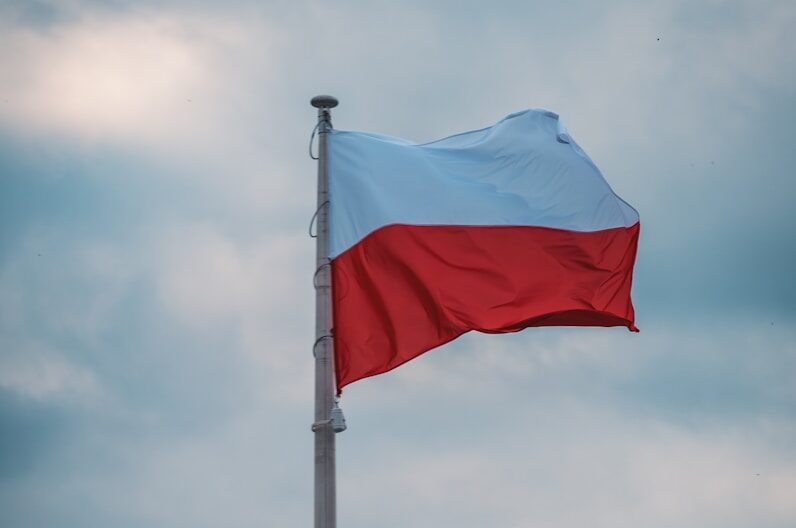
The recent announcement from the United States regarding the upcoming G20 summit has stirred considerable interest in international diplomatic circles. As the current chair of the G20, the US has opted not to extend invitations to several participants, a move that signals a strategic shift in focus and priority for the global economic forum. One of the most notable inclusions is Poland, which will be invited to participate for the first time.
During a press conference held on December 3, Secretary of State Marco Rubio unveiled this significant decision. Titled “America Welcomes a New G20,” his statement reflects a commitment to evolving global partnerships. While Poland’s invitation does not imply formal membership in the G20, it underscores the growing importance of the nation within the international economic landscape.
Rubio’s remarks highlight Poland’s dramatic transformation over the last few decades. Once confined behind the Iron Curtain, Poland has emerged as a robust economy and is now recognized as one of the world’s 20 largest. This rise is particularly noteworthy, given that Poland recently surpassed Switzerland and is positioning itself alongside major economies like Saudi Arabia and the Netherlands. In his statement, Rubio emphasized, “Poland’s success proves that focusing on the future is a better path than focusing on discontent.”
The invitation for Poland to attend the G20 summit is emblematic of the United States’ intention to foster relationships that align with shared economic interests. Rubio noted that partnerships with the United States and American companies have played a pivotal role in Poland’s economic growth. This relationship reflects a broader strategy of the US to engage with emerging economies that have shown resilience and potential in the global marketplace.
Poland’s proactive approach to seeking a presence in the G20 has been underscored by its recent economic achievements. As the only country in Europe that experienced economic growth during the 2008 financial crisis, Poland has demonstrated a unique capacity to adapt and thrive. Such resilience has given the nation a newfound confidence on the international stage, making its inclusion in forums like the G20 a logical progression.
This upcoming summit in Florida is expected to be a platform for discussing global challenges, including economic recovery post-pandemic, climate change initiatives, and geopolitical tensions. With Poland’s inclusion, there is an opportunity for fresh perspectives and collaborative solutions that may emerge from new partnerships established during the summit.
Moreover, the decision to invite Poland is already buzzing with implications for both regional and global alliances. As Eastern Europe continues to grapple with various political and economic challenges, Poland’s presence in the G20 could signal a strengthening of ties within the region, as well as with transatlantic partners. The dynamics of a more interconnected global economy will be at the forefront of discussions, positioning Poland as a key player moving forward.
As the anticipation builds for the G20 summit, the implications of Poland’s invitation extend beyond mere symbolism. It reflects the evolving landscape of global economics, where historical narratives are rewritten and new allies emerge. The summit promises to facilitate dialogue that recognizes the contributions of nations like Poland, which are rapidly reshaping the conventional understanding of economic power. The world is watching closely, as the G20 prepares to embrace new narratives and trajectories in global governance.