


U.S. Sanctions Against ICC Judges: Implications and Responses
On December 18, 2025, CNN reported that the United States imposed sanctions on two judges from the International Criminal Court (ICC)—Gocha Lordkipanidze of Georgia and Erdenebalsuren Damdin from Mongolia. These measures mark a significant escalation in the pressure the Trump administration is exerting on the ICC, particularly regarding the investigation into Israel’s activities during the conflict in Gaza.
The Context of Sanctions
Secretary of State Marco Rubio announced these sanctions, claiming that the judges were “directly engaged” in the ICC’s efforts to investigate Israeli nationals without Israel’s consent. This move followed the ICC’s rejection of Israel’s request to block the ongoing probe into alleged crimes in Gaza just three days earlier. The sanctions have drawn condemnation from various quarters, with critics arguing that they represent an unprecedented attack on judicial independence.
The ICC’s Reaction
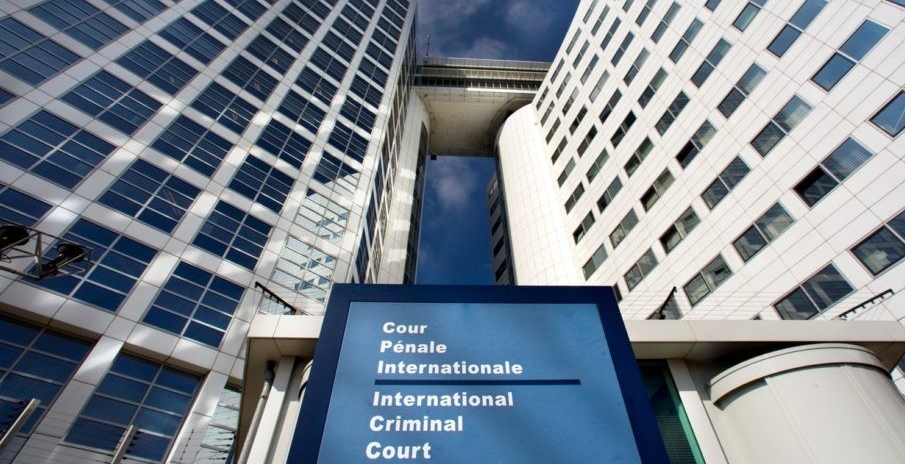
The ICC has firmly opposed the sanctions, describing them as a “flagrant attack” on its independence. The Court emphasized that such measures undermine the rule of law and threaten the integrity of an institution designed to uphold justice on an international scale. A representative from the ICC stated that these actions diminish the Court’s ability to perform its judicial functions and pose risks to ongoing investigations.
The ICC reaffirmed its commitment to its mandate under the Rome Statute, assuring the international community that it would continue to operate independently and impartially, placing the victims of international crimes at the forefront of its mission.
Responses from the International Community
The Presidency of the Assembly of States Parties expressed deep concern over the sanctions, highlighting how they could impede the ICC’s personnel from executing their independent judicial responsibilities. The assembly articulated that sanctions against judges threaten the entire framework of the Rome Statute and could undermine efforts to hold accountable those responsible for the most serious crimes against humanity. The message is clear: such actions could compromise ongoing investigations and the global pursuit of justice.
Advocating for ICC Independence
Various non-governmental organizations, including the Ukrainian Legal Advisory Group (ULAG), have voiced strong opposition to these sanctions. They argue that the U.S. executive order imposing sanctions on the ICC has devastating implications for the Court’s operations. Human rights defenders in Ukraine have warned that political intimidation and financial strangulation could lead to a climate of impunity, especially as the ICC has been pivotal in pursuing justice related to recent conflicts, such as the war instigated by Russia.
The ULAG has pointed out that the ICC’s ability to issue warrants and prosecute key figures could be severely weakened by ongoing U.S. pressure. Such a scenario would signal to potential perpetrators that they might evade justice, thereby increasing risks for victims and further destabilizing global peace.
The Danger of “Incommunicado” Justice
The threat of “incommunicado” justice was highlighted in a joint statement from advocacy groups, which argued that diminishing visibility and enforcement of ICC efforts could erode public trust in the institution. With violations continuing to mount amid the ongoing conflict in Ukraine, the ICC’s effectiveness in demonstrating its efforts is seen as critical to maintaining momentum for accountability.
The signatories of this statement explicitly linked the Court’s weakening with the security of nations like Ukraine. They postulated that a compromised judicial system could trigger new cycles of violence, as unpunished aggressors may be emboldened.
Calls for Action from States Parties
In light of these challenges, advocates have laid out a series of demands for States Parties to ensure the ICC can operate effectively. These include encouraging the arrest of ICC fugitives, notably including political leaders implicated in war crimes when they visit member states. Moreover, there is a push for enhancing the collaboration between the ICC and other justice mechanisms to strengthen overall accountability.
The consensus among these groups is that both political and financial backing from States Parties is vital to keep the ICC functioning as a beacon of hope for victims and a reliable tool for international justice.
Final Thoughts
As tension escalates between the U.S. administration and the ICC, the implications of these sanctions extend far beyond individual judges. The challenges faced by the ICC reflect larger issues concerning global justice and accountability in an increasingly complex international landscape. The outcry from various stakeholders underscores the importance of protecting the independence of judicial institutions in the pursuit of justice for victims around the world.