


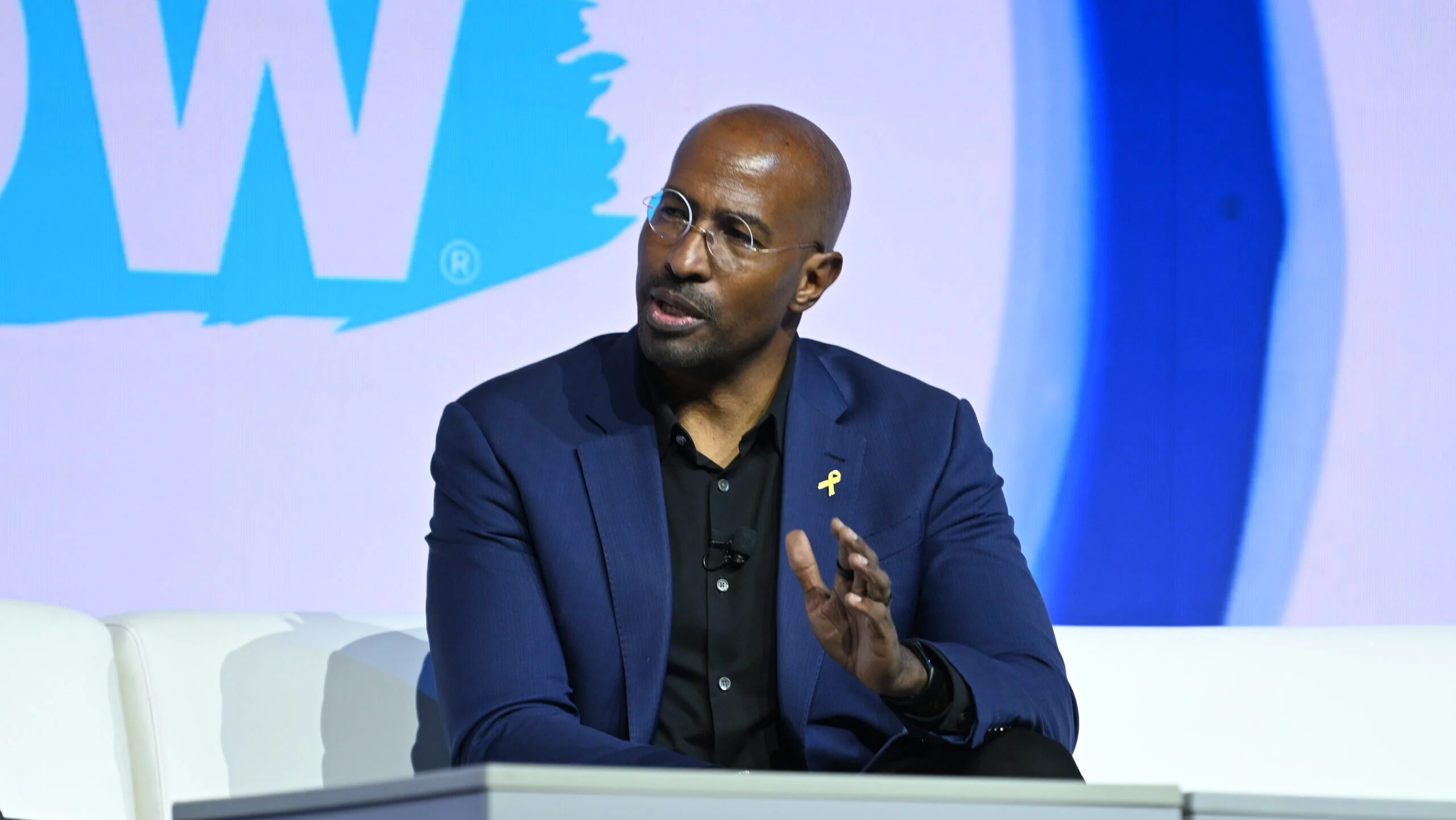
The Controversial Remarks of Van Jones on Gaza
In a recent episode of HBO’s “Real Time with Bill Maher,” CNN commentator Van Jones found himself at the center of a heated controversy following his comments about the Israel-Palestine conflict, particularly the devastating impacts on Palestinian children in Gaza. His remarks were made during a segment discussing the ongoing war, where he likened the incessant stream of distressing images online to a “massive disinformation campaign” allegedly orchestrated by foreign actors like Iran and Qatar.
Context of the Comments
During the episode, Jones’s choice of words stirred outrage. He stated, “If you open your phone, and all you see is dead Gaza baby, dead Gaza baby, dead Gaza baby, Diddy,” emphasizing the overwhelming presence of such content on social media. This casual tone and his framing of the situation as a manipulation of information led many viewers to perceive his comments as downplaying the tragedy experienced by countless families in Gaza. Social media erupted with criticism, with some labeling his remarks as “truly disgraceful and vile.”
The Backlash
Following the broadcast, Jones became the subject of intense scrutiny, as many felt his comments trivialized a humanitarian crisis. Criticism surged on platforms such as X (formerly Twitter), with users expressing profound disappointment in his remarks. The public, especially those closely following events in Gaza, felt that reducing the suffering of children to a punchline was especially insensitive amidst an ongoing calamity.
An Apology Offered
Amidst the backlash, Van Jones took to social media to issue a public apology. On Sunday, he acknowledged that his words had been “insensitive and hurtful,” particularly noting the suffering of children as “not a punch line.” His statement read, “I’m deeply sorry it came across that way,” recognizing that the pain experienced by families in Gaza was a serious matter and should not be trivialized.
In his apology, Jones expressed a desire for peace and safety for all families caught in the conflict, stating, “I’m praying and working for an immediate end to this war.” This gesture reflected a deeper acknowledgment of the emotional toll that the conflict has taken on individuals and families within Gaza.
Clarifying His Intent
In a subsequent post, Jones elaborated on his intentions behind the controversial statement. He clarified that his aim was to raise awareness about foreign actors reportedly manipulating online narratives, thus contributing to the chaos surrounding the conflict. However, he conceded that his delivery was poor and could easily be misinterpreted. “Babies are dying every day in Gaza. Nobody should dispute that fact or make light of it in any way,” he emphasized, reiterating the harsh realities faced by those living amidst the conflict.
The Ongoing Conflict
As Jones navigated the fallout from his comments, the broader context of the war in Gaza continued to escalate. Marking two years since Hamas’ coordinated attacks on Israel in October 2023, reports indicate that Israeli military actions in Gaza have resulted in the deaths of over 66,000 Palestinians. These figures highlight the dire humanitarian situation that remains a critical issue in discussions surrounding the conflict.
Conclusion: A Reflection on Sensitivity in Discourse
The incident involving Van Jones serves as a poignant reminder of the complexities surrounding discussions of sensitive topics like war and suffering. His experience underscores the significant weight that language carries and the potential consequences of trivializing grave matters through humor or casual phrasing. In turbulent times, where real lives are affected, sensitivity and empathy must guide public discourse to foster understanding rather than division.