


Exploring the “Year of Return”: A Journey Home to Ancestral Roots

There is a growing trend among African Americans in Montgomery County and beyond to travel to West Africa during the New Year’s holiday season, a movement many describe as their “Year of Return.” The journeys are often in an effort to reconnect with lost heritage and uncover ancestral roots buried deeply inside the complex records of American history.
From 1619 to 2019
The “Year of Return” officially began in 2019, marking the 400th anniversary of the arrival of the first enslaved Africans in Virginia. Gina Paige, CEO and co-founder of AfricanAncestry.com, reflects on this momentous occasion: “It started with the year of return in 2019. That was the year that commemorated the 400th [anniversary] of the first enslaved Africans to arrive in Virginia.”
This initiative took off swiftly, propelled by social media and the involvement of numerous celebrities who shared their own journeys back to Ghana. The combination of cultural events, including large concerts featuring major Afrobeats artists, created a vibrant atmosphere that encouraged many to partake in this unique experience. “I think 2019 was really the culmination of this increased social interest in all things African,” Paige explains.
The Cultural Phenomenon of “Detty December”
Coinciding with this surge in interest was Nigeria’s festive end-of-year celebration known as “Detty December.” During this lively season, individuals from the global African diaspora gather yearly to celebrate and welcome the New Year amidst the warmth of their native sun. It’s a festive time filled with music, dance, and a communal spirit that beckons many to experience the rich cultural tapestry of West Africa.
One Million Visas and New Connections
The impact of the “Year of Return” also altered travel patterns significantly. Visa requests for Ghana saw an explosion, rising from about 150,000 per year to an estimated 1 million annually. Abdul Karim Abdullah, founder of the AfroFuture Festival, attributes this spike to efforts aimed at simplifying visa applications and marketing leisure travel specifically to African Americans. He noted that this initiative resonated deeply among Black Americans, with some choosing to relocate to Ghana permanently or even acquiring Ghanaian citizenship under the related movement known as “Beyond the Return.”
A Personal Journey: Tracing Ancestral Roots
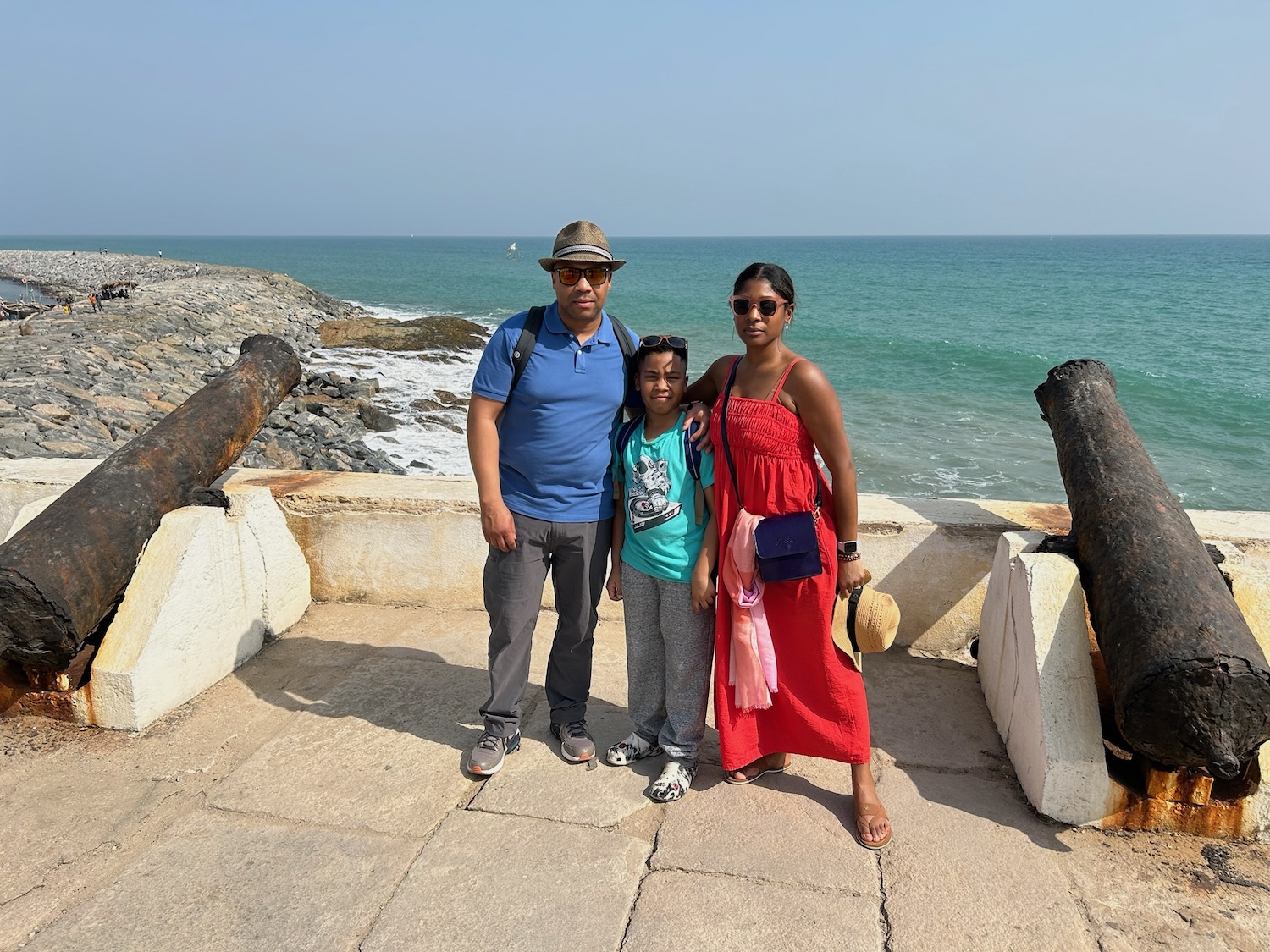
As an African American, I am among the many who made the pilgrimage to Ghana with my husband and our elementary school-aged son. Our journey was born out of a desire to explore our ancestral homeland, particularly after I got my DNA tested five years ago. This experience stirred a passion in my husband to trace his African roots through DNA testing as well, igniting our collective desire to explore the continent further.
At Dulles Airport, I couldn’t help but notice the multitude of travelers embarking on similar voyages to West Africa during the New Year. This made me ponder about the shared experiences and stories of others who, like us, were seeking to reconnect with their past.
Insights from Cultural Leaders
Recently, I had the opportunity to engage in a conversation with African Ancestry’s CEO during Kwanzaa. This dialogue opened up a wealth of cultural insights around the significance of this journey and the impact it has had on many individuals and families. For those interested in learning more, I encourage you to watch our conversation in the video above, where we delve deeper into the topics of heritage, identity, and connection.
In the evolving narrative of the African American experience, the “Year of Return” serves not only as a remembrance of past injustices but also as a celebration of cultural identity, resilience, and the enduring bonds that link us to our ancestral roots.