


Severe Winter Storm Disrupts Air Travel Across the U.S.
Overview of Impact
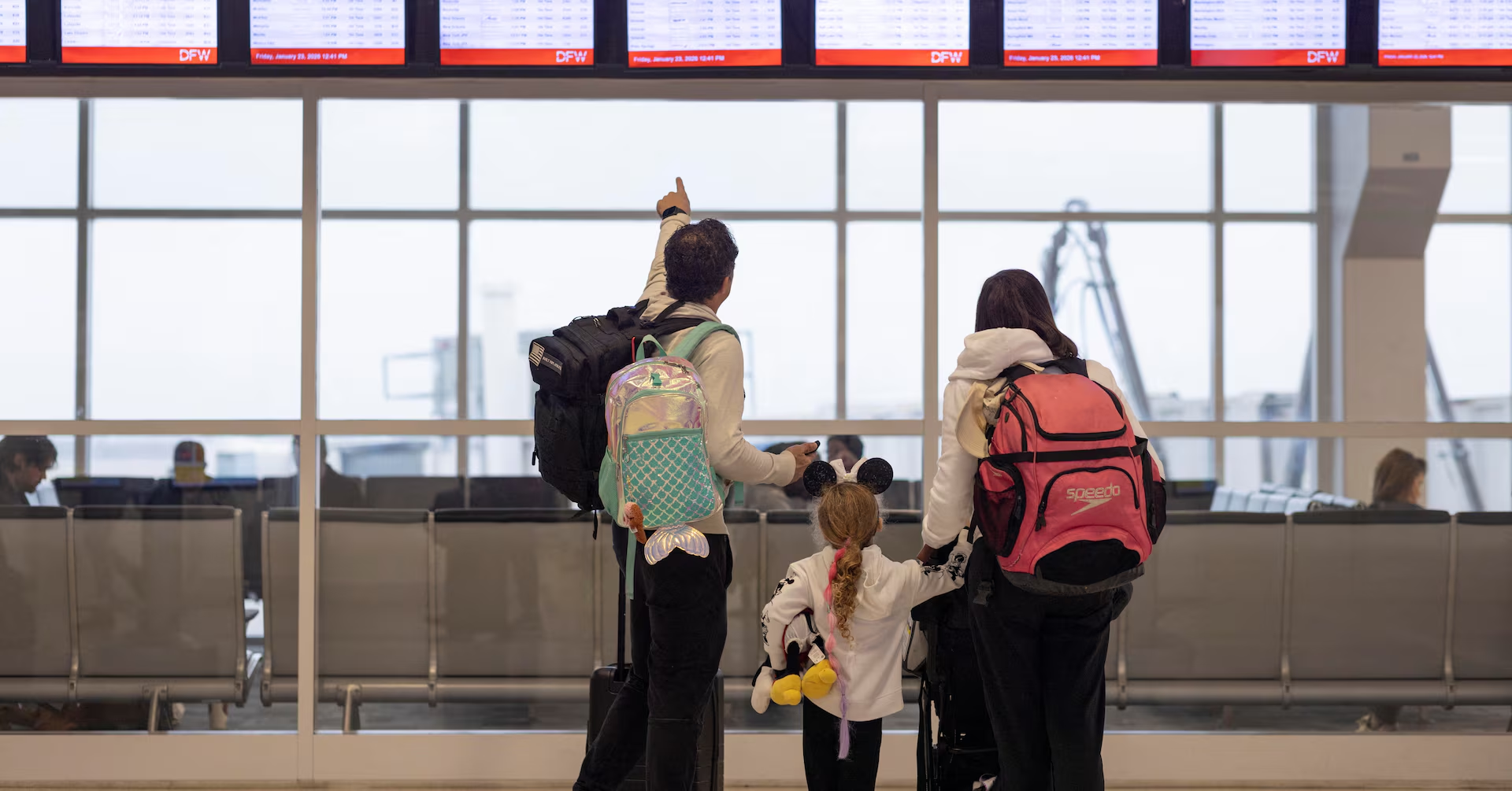
A powerful winter storm swept across much of the United States, wreaking havoc on travel plans for thousands. As of Monday, over 5,300 flights were canceled, with more than 4,300 delayed due to the adverse weather conditions, including freezing rain and heavy snowfall. This disruption echoed a similar trend from the previous day, where more than 11,000 flights were also scrapped—marking the highest cancellation rate since the onset of the pandemic.
Airline Cancellations and Delays
The effects of the storm were felt heavily in the aviation sector, especially with American Airlines leading the charge in flight disruptions. With close to 900 flights canceled and about 600 delayed, the airline faced significant operational challenges. Other carriers, such as Republic Airways and JetBlue Airways, also reported extensive disruptions. For passengers trying to navigate the situation, social media channels became a lifeline for inquiries and updates on flight statuses.
National Weather Service Warnings
The National Weather Service forecasted continued trouble as a low-pressure system moved eastward over the Atlantic. This system is anticipated to bring additional snowfall to the Northeast and freezing rain to the Mid-Atlantic regions. Experts from AccuWeather predicted economic losses due to this storm could reach between $105 billion and $115 billion, making it one of the most impactful weather events in recent history.
Federal Aviation Administration Alerts
The Federal Aviation Administration (FAA) issued advisories concerning potential ground stops at major airports across the country. Airports including LaGuardia, JFK, Philadelphia International, and Dulles were particularly susceptible to disruptions, reflecting the interconnected nature of airline operations where one cancellation can lead to cascading delays across the network.
Travel and Hotel Factors
In preparation for the storm, hotel cancellation rates surged by 36%, indicating a wave of travelers seeking refuge from the unpredictable weather. Many were left unsure about their travel plans, amplifying the uncertainty and chaos permeating through the industry during this challenging time. Customers faced waiting for service updates to clarify their rescheduled or canceled flights.
Cargo and Rail Operations Affected
The storm’s impact extended beyond air travel. Cargo giant UPS reported disruptions to its services, particularly at its Louisville hub, highlighting the broader ramifications for logistics and supply chains. Railroads also braced for operational challenges, with both CSX and BNSF preparing for delays due to adverse weather conditions.
Road Travel and Power Outages
Meanwhile, road travel faced significant challenges as blizzard-like conditions and strong winds made driving treacherous. The Federal Emergency Management Agency (FEMA) warned of dangerous travel conditions. Compounding the difficulties, over 820,000 customers were reported to be without power across several states, with Tennessee reporting the highest outages.
American Airlines and Restoration Efforts
Despite the turmoil, American Airlines announced efforts to restore operations, stating that it expected fewer cancellations as crews worked diligently with airport authorities and federal agencies. The airline had recorded around 282 cancellations by Monday morning, illustrating a gradual but hopeful resurgence in its operations.
Throughout these chaotic events, the interplay of weather and air travel systematically affected travelers’ lives, placing immense pressure on airlines to adapt quickly while also ensuring passenger safety.