


Peace Deal Between DR Congo and Rwanda: A Historic Summit
The recent summit in Washington marks a pivotal moment in the long-standing tensions between the Democratic Republic of Congo (DR Congo) and Rwanda. Hosted by U.S. President Donald Trump, the summit culminated in a peace agreement aimed at resolving decades of conflict fueled by historical grievances, ethnic tensions, and competition over valuable resources.
Background of the Conflict
Historically, the relationship between DR Congo and Rwanda has been fraught with accusations and hostilities. The conflict has roots in Rwanda’s 1994 genocide, which led to a massive refugee crisis and subsequent turmoil in eastern DR Congo. The region is rich in natural resources, but this wealth has also been a double-edged sword, attracting rebel groups and foreign interventions.
The M23 rebels, believed to be backed by Rwanda, have had significant influence in eastern DR Congo, capturing key cities like Goma and Bukavu earlier this year. In response, DR Congo’s military accused these insurgents of attempting to sabotage peace efforts, further complicating any attempts at conflict resolution.
The Summit’s Objectives
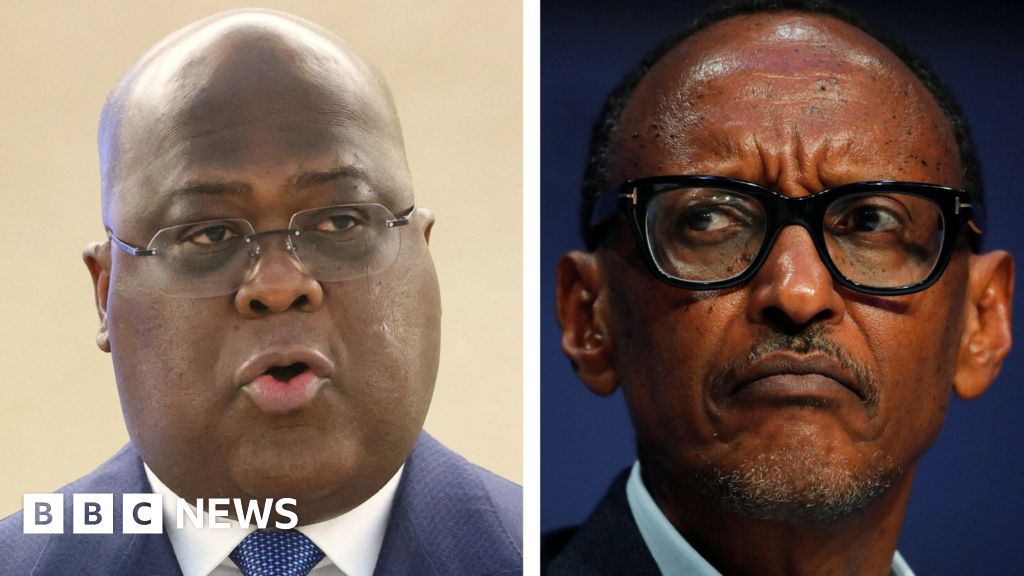
The summit was designed to forge a path toward peace and stability in the region. President Trump characterized the event as a “great day” for Africa, expressing confidence in the commitment of both DR Congo’s President Felix Tshisekedi and Rwanda’s President Paul Kagame to uphold the terms of the agreement. The presence of foreign ministers from Qatar and the UAE, as well as U.S. Secretary of State Marco Rubio, underscored the international dimension of this diplomatic endeavor.
Key Components of the Peace Agreement
The agreement outlines several critical conditions:
- Withdrawal of Troops: DR Congo is demanding the withdrawal of Rwandan troops from its territory, a contentious point given ongoing fears about security.
- Disarmament of FDLR: Rwanda must also ensure the disarmament of the Democratic Forces for the Liberation of Rwanda (FDLR), a militia group implicated in the genocide.
- Commitment to Ceasefire: Both countries have agreed to a ceasefire, essential for building trust and laying the foundation for peace.
Reactions from Leaders
President Kagame praised Trump’s “even-handed” approach, noting that this agreement represents the best chance for a peaceful resolution the nations have ever had. Tshisekedi, while expressing gratitude, emphasized the need for Rwanda to respect the deal’s terms. The endorsement from various African leaders suggests a broader regional commitment to peace, but skepticism remains about the deal’s sustainability.
While the M23 was absent from the negotiations, they are expected to engage in a separate dialogue facilitated by Qatar. Observers note that this dual-track approach is vital for comprehensive conflict resolution.
Economic Implications
Aside from the immediate peace efforts, there are significant economic motivations at play. The U.S. aims to increase investments in DR Congo’s resource-rich areas, which include coveted minerals like cobalt and lithium. Trump asserted that U.S. companies could bring substantial economic benefits to both nations, which could serve as a peace dividend.
Prof. Jason Stearns, an expert on the region, highlights the potential for collaboration on infrastructure and energy projects. However, he also cautions that these economic aspirations hinge on the successful withdrawal of Rwandan troops and a genuine commitment to maintaining the peace.
Skeptical Outlook
Despite the optimism surrounding the signing, analysts express skepticism about the durability of this latest peace effort. The South Africa-based Institute for Security Studies points out that no ceasefire is currently in place, with the M23 expanding their territorial control even as negotiations continue.
Recent fighting in southern provinces and continued offensives from both sides underscore the fragile situation on the ground. The path to lasting peace is fraught with challenges, further complicated by the complex interrelations of rebel forces, national armies, and external influences.
Conclusion
While the peace deal signed in Washington offers a glimmer of hope for the war-torn regions of DR Congo and Rwanda, the real test lies ahead. Key issues like troop withdrawals, disarmament of militias, and the establishment of a credible ceasefire must be tackled urgently. As international eyes turn toward eastern Africa, both nations face the monumental task of translating these diplomatic gains into tangible peace and stability for their citizens.
This historic summit serves not only as a narrative of hope but also as a reminder that the road to peace is often paved with uncertainty and the unpredictable forces of human conflict.