


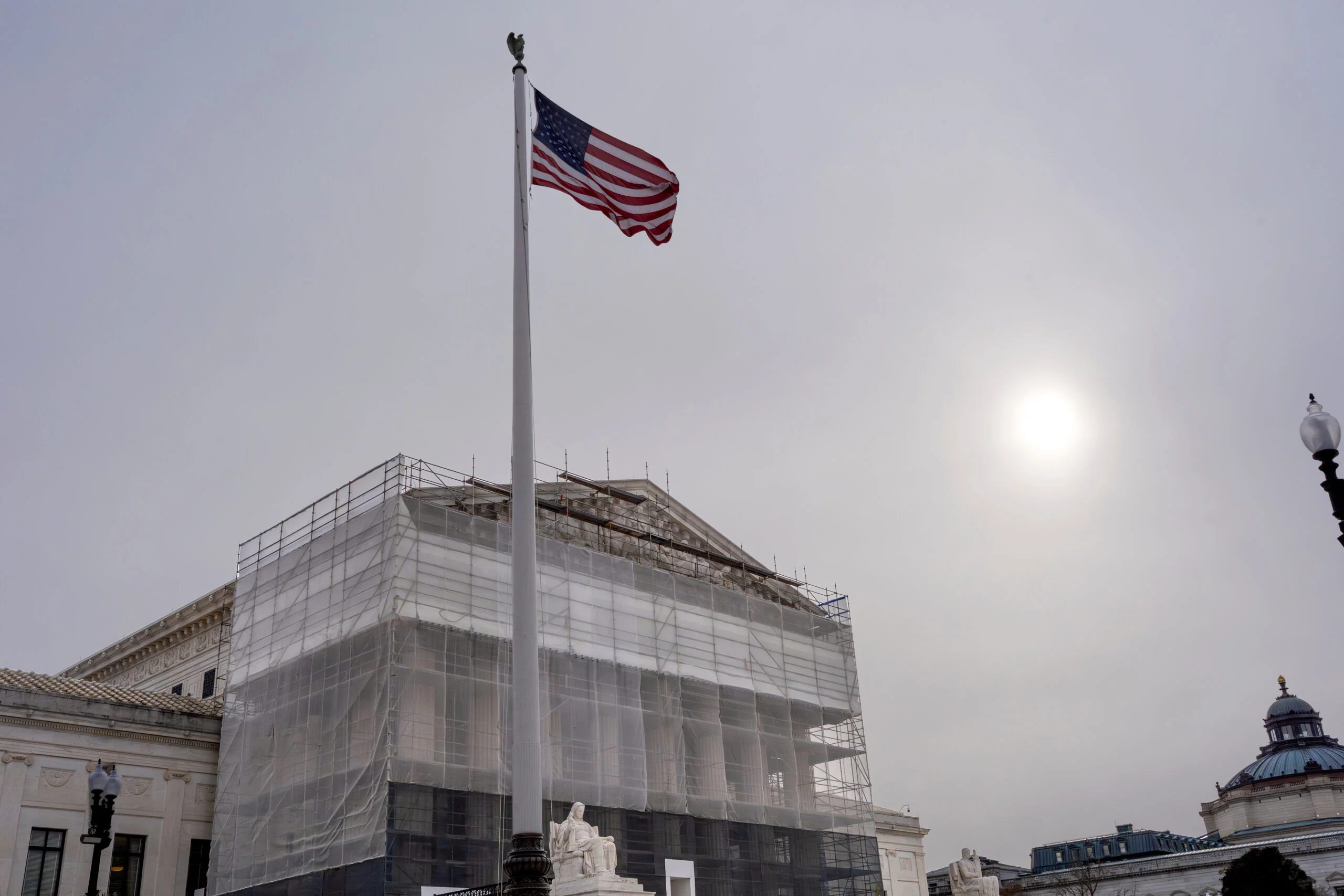
Supreme Court Declines to Allow National Guard Deployment for Immigration Crackdown in Chicago
On a significant legal front, the U.S. Supreme Court recently made headlines by refusing an emergency request from the Trump administration to deploy National Guard troops in the Chicago area to assist with immigration enforcement. This decision marks a notable setback for President Trump, who has sought to use military resources to bolster his immigration policies in Democratic-led cities.
Background of the Ruling
The Supreme Court’s decision came after U.S. District Judge April Perry had already blocked the deployment of the National Guard troops. The lower court’s ruling was backed by an appeals court, which chose not to intervene. The justices took their time, deliberating for over two months before reaching a decision, reflecting the complexities involved in such unprecedented requests for military involvement in domestic law enforcement.
Dissenting Opinions
Three justices—Samuel Alito, Clarence Thomas, and Neil Gorsuch—publicly dissented from the majority opinion. Their dissent suggests a divide within the court regarding the boundaries of military authority in enforcing immigration laws. Justice Brett Kavanaugh, while agreeing with the majority to keep the Chicago deployment blocked, indicated that he would have preferred allowing the president more leeway for future deployments under different circumstances.
Implications for Future Deployments
The Supreme Court’s order may have broader implications for ongoing legal battles concerning the military’s involvement in immigration enforcement across other Democratic-led cities. As outlined in the majority opinion, the government has yet to provide adequate justification for such actions in Illinois, signaling potential challenges ahead for similar cases.
Responses to the Ruling
Illinois Governor JB Pritzker expressed satisfaction with the Supreme Court’s ruling, framing it as a victory for the state and, more broadly, for civil liberties. He emphasized that citizens should not be subjected to fear and intimidation from federal agents on their streets. Conversely, White House spokeswoman Abigail Jackson defended the administration’s actions, asserting that the deployment aims to protect federal personnel and property from what she labeled as “violent rioters.” She stated that today’s ruling does not alter the administration’s commitment to public safety.
Legal Context
The administration’s rationale for deploying troops centered on a purported need to safeguard federal property and personnel from unrest stemming from immigration enforcement actions. However, Judge Perry countered this assertion, pointing out the lack of substantial evidence indicating a significant threat of rebellion or unrest directly linked to immigration enforcement in Illinois.
Ongoing Legal Battles
The Illinois case adds to a broader landscape of legal disputes surrounding National Guard deployments. Notably, Washington, D.C., Attorney General Brian Schwalb is pursuing legal action to halt the deployment of over 2,000 National Guard members in the nation’s capital. This case has seen participation from various states, with a split among those supporting the administration and those backing the attorney general.
In addition, recent rulings have blocked similar deployments in Oregon and Tennessee, with significant implications for the administration’s immigration policies. The narrative continues to unfold, given that the Trump administration has resolved to appeal adverse rulings in California and Oregon, complicating the ongoing debate about federal power and state rights.
The Role of Protests
The ongoing protests against immigration enforcement have highlighted tensions between local communities and federal authorities, particularly in places like Broadview, a Chicago suburb where federal agents have previously clashed with demonstrators. Instances of violence and arrests during these protests raise questions about the appropriateness of military involvement in civilian affairs, further complicating the administration’s justification for using the National Guard.
Conclusion
In a legal environment increasingly defined by conflicts over federal authority, the Supreme Court’s decision serves as a pivotal moment in the ongoing discourse surrounding immigration enforcement and the use of military resources in American cities. This ruling could steer future court decisions and influence the political landscape, highlighting the essential balance between national security and local governance. The challenges and controversies are far from over, as various states navigate the intricate dynamics of law enforcement, civil rights, and immigration policies in an ever-evolving legal framework.