


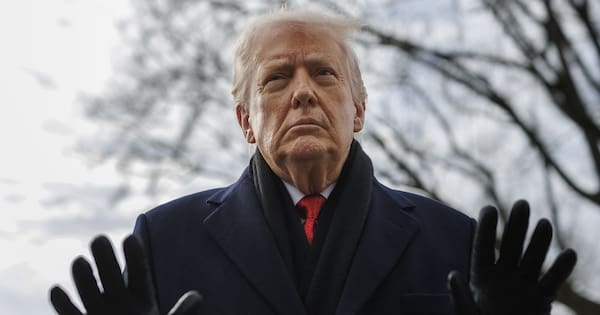
Trump’s Year Six: A Study of Power and Its Implications
As Donald Trump commemorates the anniversary of his second inauguration and embarks on his sixth year in office, a central theme resonates—power. In the words of Bruce Wolpe, an observer from Sydney, Trump’s most significant asset is his gripping desire for absolute authority. Yet, the greatest peril surrounding his administration lies in how he wields this power.
A Troubling Foreign Policy Gamble
Trump’s foreign policy tenure has seen notable moments of aggrandizement punctuated by controversy. Perhaps one of the most foolish decisions has been his provocative stance towards Denmark and other NATO allies regarding Greenland. Threatening punitive tariffs in an attempt to “force” the sale of Greenland has not only enraged European leaders but demonstrated a reckless disregard for diplomatic norms. Observing such adroitness in foreign negotiations raises eyebrows and questions about the efficacy of a strategy that seems more akin to playground tactics than presidential diplomacy.
The ramifications of Trump’s actions extend far beyond mere insult. His escalating threats have inadvertently bolstered Vladimir Putin’s ambitions in Ukraine, sharply diminishing the prospects for peace and stability in a region already fraught with tension. The specter of an unwavering Russia casts a long shadow over NATO, possibly leading to its dissolution should Trump proceed with any of his aggressive maneuvers.
Unrest at Home Amid Global Aspiration
Domestically, Trump’s administration appears to be veering down a path of disarray. A growing body of polling data reveals disenchantment among voters concerning economic management, which has become particularly pronounced as issues such as housing affordability and rising grocery prices plague many American households. The pervasive actions of ICE agents further exacerbate this discontent, with many Americans expressing deep concern over the harsh treatment of migrants.
Such disconnect suggests that Trump’s fixation on foreign adventures and tariffs is somewhat counterproductive. The erosion of trust among Republicans in Congress could be signaling the dawn of an intra-party rift—a deviation not seen since his re-election.
The Foundations of Trumpism
Since securing victory in 2024, Trump has remained steadfast in upholding foundational principles of Trumpism that have transformed American political dynamics. These principles include nativism in favor of US-born citizens, an emphasis on protectionism and tariffs, and an unyielding spirit of America-First nationalism.
The aggressive enforcement of immigration policies reflects Trump’s commitment to these pillars, illustrated vividly by a notable increase in arrests and deportations. His administration mandates foreign companies to invest domestically—a move designed to bolster the American workforce but fraught with complications.
However, Trump’s interpretation of America-First isolationism is evolving. His rejection of historical norms related to foreign intervention prompts questions about not just military sanctions but also a departure from the fundamental tenets that have guided the country post-World War II.
Political Fallout and Declining Popularity
As Trump wields his power abroad, he incurs political costs at home. Polls indicate a worrying trend: a significant majority of Americans question the wisdom of Trump’s foreign engagements, with many expressing opposition to military actions in Iran and Venezuela. With approval ratings dwindling into the 40s, the feedback loop of public discontent has begun to resonate even in his inner circle.
Amidst this troubling landscape, one must ponder the consequences of ignoring the pulse of the American people. Trump’s dismissive attitude toward established democratic norms and the encroachment on institutional checks suggest a departure from the precedent that has traditionally tempered executive power.
The Drive for Absolute Control
Trump’s quest for control has sparked alarm. His unilateral moves—including the prosecution of the Federal Reserve chair and calls for unprecedented military actions—reflect an expansionist view of presidential power that seems to undermine the very foundations of American democracy. The potential for martial law raises chilling implications, casting doubt on the future of fair elections and democratic governance.
His public musings about canceling midterm elections and asserting de facto dominance further underline a haunting reality: boundless ambition for power, coupled with little regard for established protocols, places the very fabric of democracy at stake.
Global Implications of Domestic Decisions
The intertwining of Trump’s domestic policies with international relations causes reverberations across the world stage. His aggressive posturing explains not only rising tensions with Europe and NATO allies but also indicates a broader strategy geared toward reasserting control over geopolitical territories crucial for resource exploitation, from Greenland to Venezuela.
Ultimately, Trump’s ongoing struggle with power encapsulates a tension between aspiration and the consequences of unchecked ambition. As this complex narrative unfolds, the stakes rise for both his administration and the global order at large. The implications of Trump’s singular focus on power and his vision for America signal an era that may redefine alliances and governance in unprecedented ways.
This transformative political landscape requires vigilant observation as developments may either reinforce or dismantle the intricacies of international diplomacy, shaping not just American identity but global relations for years to come.