


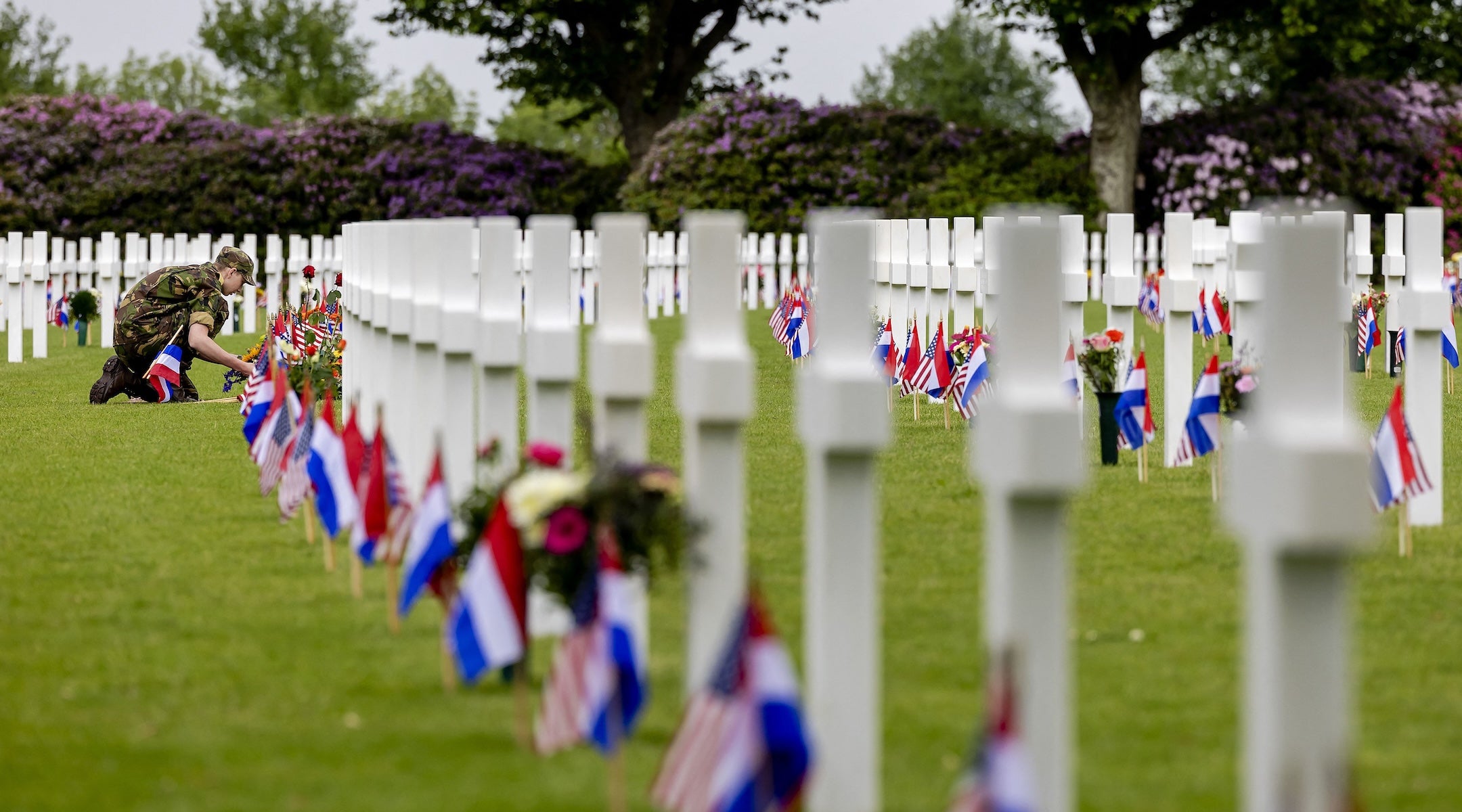
The Disappearance of History: Black American Soldiers at Margraten Cemetery
When visitors and local researchers in the Netherlands discovered earlier last month that two panels honoring Black American soldiers, who played a pivotal role in liberating Europe from the Nazis, had vanished from the U.S. military cemetery at Margraten, the response was immediate and widespread. Local officials demanded answers, historians raised alarms, and the incident quickly captured the attention of Dutch and international media.
A Coalition of Concern
Prominent Holocaust museums and World War II memorials in the Netherlands united in their urgency, issuing a joint letter pleading with the United States to restore the displays. More than 30 members of the U.S. Congress sent their own letter seeking clarification about the removal. The gravity of the situation was underscored by the widespread outcry: it wasn’t just an erasure of physical displays, but an erasure of history itself—specifically, the contributions and struggles of Black soldiers during a turbulent time.
The Official Narrative
The American Battle Monuments Commission (ABMC), responsible for managing Margraten and all overseas U.S. military cemeteries, offered only a partial explanation. They stated that the exhibits were removed as part of a routine rotation in a limited visitor-center space. There was no direct mention of why one of the panels was specifically taken down, particularly the one that detailed the segregation of the U.S. Army during World War II and the racism faced by Black soldiers back home.
Behind Closed Doors
Internal emails obtained through a Freedom of Information Act request reveal the decision-making dynamics within the ABMC. Charles Djou, then the head of the commission, closely monitored executive orders from President Donald Trump, particularly those targeting perceived “discriminatory equity ideology.” Worried about the potential backlash from the administration, Djou directed his team to ensure compliance, even when it wasn’t strictly necessary.
He expressed concern over whether the agency’s catalog of fallen African American and Native American troops could attract negative attention, particularly regarding a panel installed at the Netherlands American Cemetery. This panel celebrated the contributions of Black soldiers and highlighted the realities of segregation during the war. A senior staffer responded, noting that the panel presented a compliance risk, with Djou ultimately deciding to remove it to avoid any potential fallout.
Immediate Ramifications
Despite his proactive measures to align with the administration’s agenda, Djou was ousted shortly after the panel’s removal. His deputy, Robert Dalessandro, later commented that Djou’s over-compliance was a problem, indicating Djou felt particularly vulnerable as a holdover from the previous administration who had publicly criticized Trump.
The Reaction from Families and Veterans
The response from families and advocates was striking. Janice Wiggins, the widow of the serviceman featured in the now-removed display, condemned the decision as a form of historical erasure. “The removal of these panels and all reference to Black soldiers is more than just disrespectful,” she stated, emphasizing the importance of honoring the legacies of those who served.
Critics contended that the removal set a dangerous precedent. Ken Greenberg, the national executive director of the Jewish War Veterans of the United States of America, voiced grave concerns about the decision, questioning whether it aimed to obscure the contributions of Black service members.
The Cultural and Historical Significance
Margraten holds unique significance; it commemorates not just the American soldiers buried there, but also the cultural fabric of World War II. Among the honored is Maj. Gen. Maurice Rose, the highest-ranking Jewish American officer killed in the war. His story serves as a reminder of the complex narratives intertwining race, identity, and military service.
A Broader Conversation on Representation
The joint letter from Dutch World War II museums, including the Anne Frank House, emphasized the necessity for an inclusive narrative of liberation. They criticized the removal as a form of political interference, making it clear that it would be detrimental to overlook the vital role of African Americans in the context of World War II.
Historian Kees Ribbens noted this removal could be perceived as a retreat to an oversimplified understanding of the war, undermining years of progress toward an inclusive historical narrative that acknowledges the contributions of various ethnic groups.
Perspectives from Various Viewpoints
Interestingly, even individuals critical of “diversity, equity, and inclusion” (DEI) efforts spoke out against the panel’s removal. David Bernstein, a prominent Jewish critic of DEI, asserted that acknowledging the roles of historical figures, such as Black military personnel, is fundamental to a complete understanding of the past.
The Ongoing Debate
As the discussion surrounding the panel’s removal continues, both in the United States and the Netherlands, it reveals deep ideological divides about history and representation. The decision to remove the panels raises questions about how historical narratives are constructed, the role of governmental influence in historical memory, and the significance of inclusivity in commemorating the sacrifices of those who fought for freedom.
The situation surrounding the Margraten Cemetery and the missing panels underscores a growing tension in how history is memorialized and perceived, challenging nations to confront the complexities of their past while honoring the diverse contributions of those involved in pivotal moments of their history.
This article sheds light on an essential but often overlooked aspect of World War II, the intersections of race and service, and the ongoing conversations about how societies choose to remember their histories.