


Tragedy in Minneapolis: The Fatal Shooting of Renae Macklin-Good by ICE Officers
On a fateful Wednesday in Minneapolis, an Immigration and Customs Enforcement (ICE) officer shot and killed a local motorist, triggering a firestorm of reactions, protests, and grief throughout the community. Federal officials have characterized the incident as an act of self-defense, but many, including the city’s mayor, have labeled it as “reckless” and unnecessary. The complexities surrounding this tragic shooting extend far beyond the immediate circumstances, bringing issues of immigration enforcement and community safety into sharp focus.
Who Was Renae Macklin-Good?
Identified by hospital records as 37-year-old Renae Macklin-Good, some reports refer to her as Renee Nicole Macklin Good. Her life was more than just a statistic; she was a poet, a writer, a devoted wife, and a mother. Describing herself on social media, she expressed pride in her identity and shared affection for her family, often depicting herself with her young child. Her profile, adorned with a pride flag emoji, reflected a vibrant and loving spirit.
Macklin-Good had roots in Colorado before moving to Minneapolis, where she was said to be “experiencing” the city. Friends and family have painted a poignant picture of a woman who cherished her roles as a caregiver and creative individual, making her untimely death even more heartbreaking.
Community Response to the Shooting
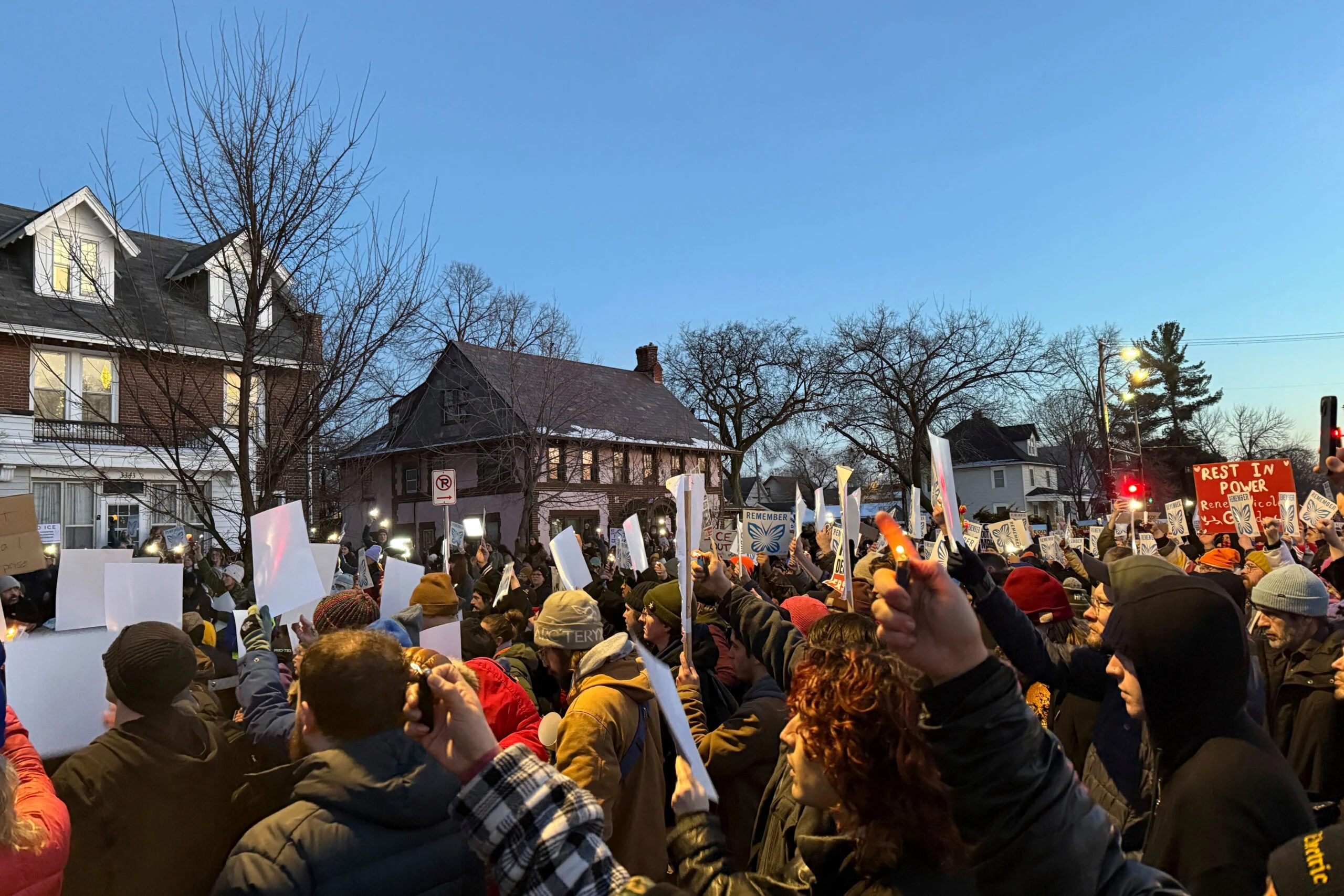
In the aftermath of the shooting, hundreds of protesters gathered to express their anger and frustration. The incident marked at least the fifth death associated with the heightened immigration enforcement policies instituted during President Donald Trump’s administration, signaling a persistent and troubling trend. The community was galvanized to action, fueled by grief and outrage at the loss of a life so violently and suddenly taken.
The Ripple Effects of Violence
Macklin-Good’s death also highlights the familial heartbreak that often accompanies such tragedies. She had previously been married to Timmy Ray Macklin, who passed away earlier this year at the age of 36. The couple had a 6-year-old child together, now facing the unimaginable reality of having lost both biological parents in the span of a few short months. The child, who reportedly has no other family close by, is now left with a void that words cannot fill.
Timmy Ray Macklin Sr., the boy’s grandfather, expressed deep sorrow and concern for his grandchild, emphasizing the profound impact of their losses on the young child’s life. The emotional toll on families touched by such violence cannot be understated, amplifying the calls for change in how law enforcement operates in communities.
Family’s Emotional Reaction
In an interview with the Minnesota Star Tribune, Macklin-Good’s mother, Donna Ganger, recounted the moments leading up to the family’s notification of her daughter’s death. Expressing disbelief and frustration, Ganger said, “That’s so stupid” that she was killed, positing that her daughter must have been terrified in that moment. Ganger underscored that Macklin-Good was not involved in any protests against ICE, further complicating the narrative surrounding the shooting.
This poignant reflection reveals the often-overlooked human side of violent encounters with law enforcement, as families grapple with loss, fear, and anger.
The Bigger Picture
Renae Macklin-Good’s tragic death raises broader questions about immigration enforcement and police practices. It brings to the forefront the human ramifications of policies that are often debated in abstract terms, turning statistics into stories of real people and families. As tensions between ICE and communities continue to escalate, questions about accountability, training, and oversight in law enforcement practices remain as critical as ever.
In a moment that has reverberated through Minneapolis and beyond, the concerns raised by Macklin-Good’s death will likely echo in community discussions about safety, policy, and the role of ICE in American society. The painful loss of a mother, daughter, and friend serves as a stark reminder of the cost of policy decisions and the real lives they affect.