


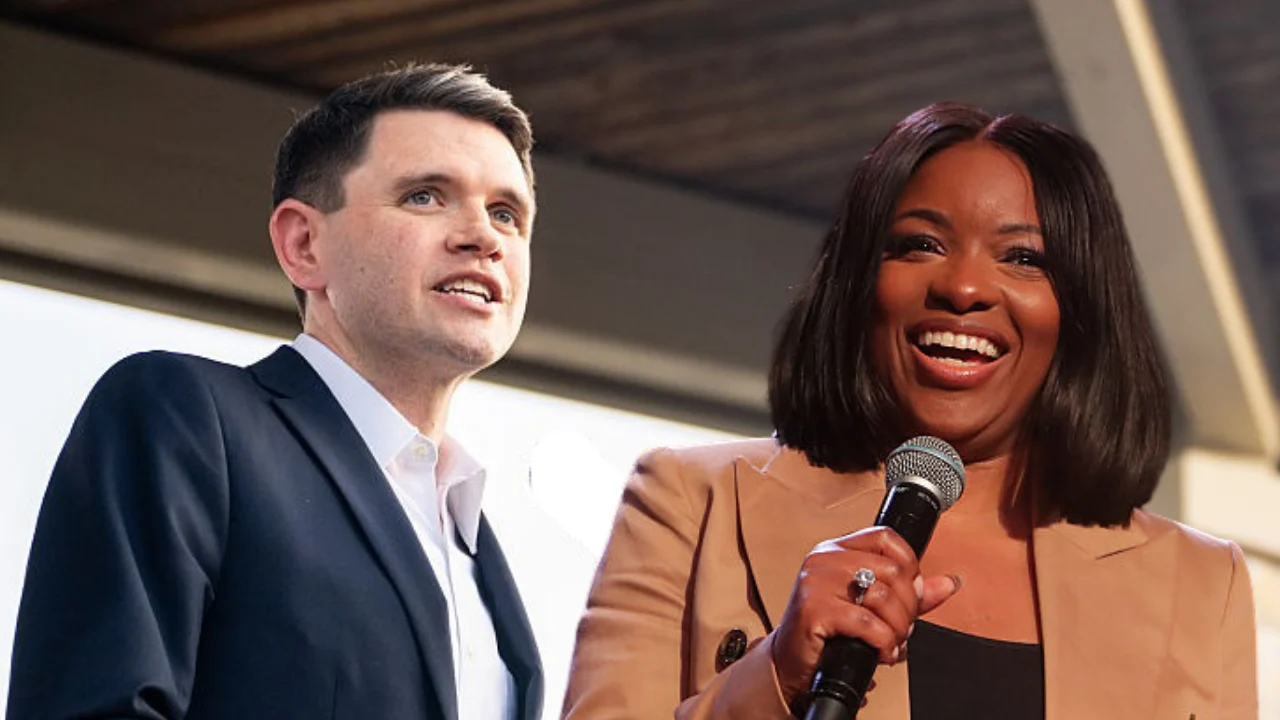
Jasmine Crockett’s Historic U.S. Senate Campaign Launch
U.S. Rep. Jasmine Crockett made headlines in Texas politics this past Monday as she officially launched her campaign for the U.S. Senate. This announcement has stirred excitement and speculation within the Democratic Party, as Crockett aims to become the first Black woman ever elected to the Senate from Texas. Her run comes as the state prepares for a competitive political landscape, particularly against the backdrop of significant Republican opposition.
An Invigorating Entry into the Race
Crockett, at 44 years old, enters the race with a strong reputation established during her time in Congress. She has garnered attention for her willingness to challenge the status quo and for being a fierce advocate for working families. This campaign seeks to resonate deeply with voters facing economic challenges, particularly amid rising costs and uneven access to essential services.
James Talarico’s Response
In response to Crockett’s entry into the race, her primary opponent, Texas State Rep. James Talarico, issued a video message expressing his welcome. Talarico, who is also vying for the Senate seat currently held by Republican Senator John Cornyn, emphasized the importance of having a candidate who understands how to navigate the complexities of Washington. At 36, Talarico has positioned himself as a youthful contender aiming to evoke change, contending that people deserve a representative who knows how to fight effectively.
Acknowledging Intra-Party Challenges
Acknowledging the challenges his campaign faces with the influx of a high-profile candidate like Crockett, Talarico sought to unite rather than divide. He urged his supporters to focus on their campaign rather than attacking Crockett, highlighting the shared goal of winning power back for working Texans. This emphasis on mutual respect showcases an important dynamic in Democratic primary races, where candidates often attempt to balance individual ambition with party solidarity.
Grassroots Momentum
Talarico claimed that his campaign has already achieved notable success in grassroots fundraising, revealing a network of 10,000 volunteers actively engaged in supporting his vision. This infrastructure, he describes, has been built on a foundation of transparent communication and community engagement, which can be pivotal in a competitive primary.
Crockett’s Vision for Texas
During her launch rally in Dallas, Crockett articulated a clear message that speaks to the frustrations of many constituents. Her speech reflected a strong commitment to addressing pressing issues, stating, “I’m done with politics as usual.” She emphasized a need for systemic change, particularly in how matters such as healthcare and public safety are handled in Texas. With direct references to the challenges that rural hospitals and schools face, she painted a vivid picture of the consequences of inaction.
Addressing Gun Violence and Economic Inequality
Crockett’s passionate rhetoric touched on critical social issues, especially gun violence and economic disparities. She expressed her frustration over communities grappling with fears related to public safety due to lax gun laws. Her stance resonates with many voters who are increasingly concerned about gun-related incidents affecting everyday life. Beyond safety, Crockett’s focus on economic inequality also hit a nerve as she pointed to struggles many families face due to financial burdens imposed by policies favoring the wealthy.
The Road Ahead
Crockett’s candidacy sets the stage for a vibrant Democratic primary race, intensifying the competition for the Senate seat. With both candidates bringing unique strengths to the table, voters will soon have the opportunity to weigh their options in a state that is often seen as a Republican stronghold. As the primaries approach, both campaigns will likely ramp up efforts to connect with constituents, articulate their visions, and showcase why they are best positioned to represent Texas on a national stage.
In a political environment that often sees division and vitriol, the responses from both candidates hint at a potentially collaborative atmosphere in their pursuit of the same goal—advancing progressive values within the Texas Democratic Party. As they prepare to battle it out for the nomination, the coming weeks will prove critical in shaping the narrative for a pivotal Senate campaign.