



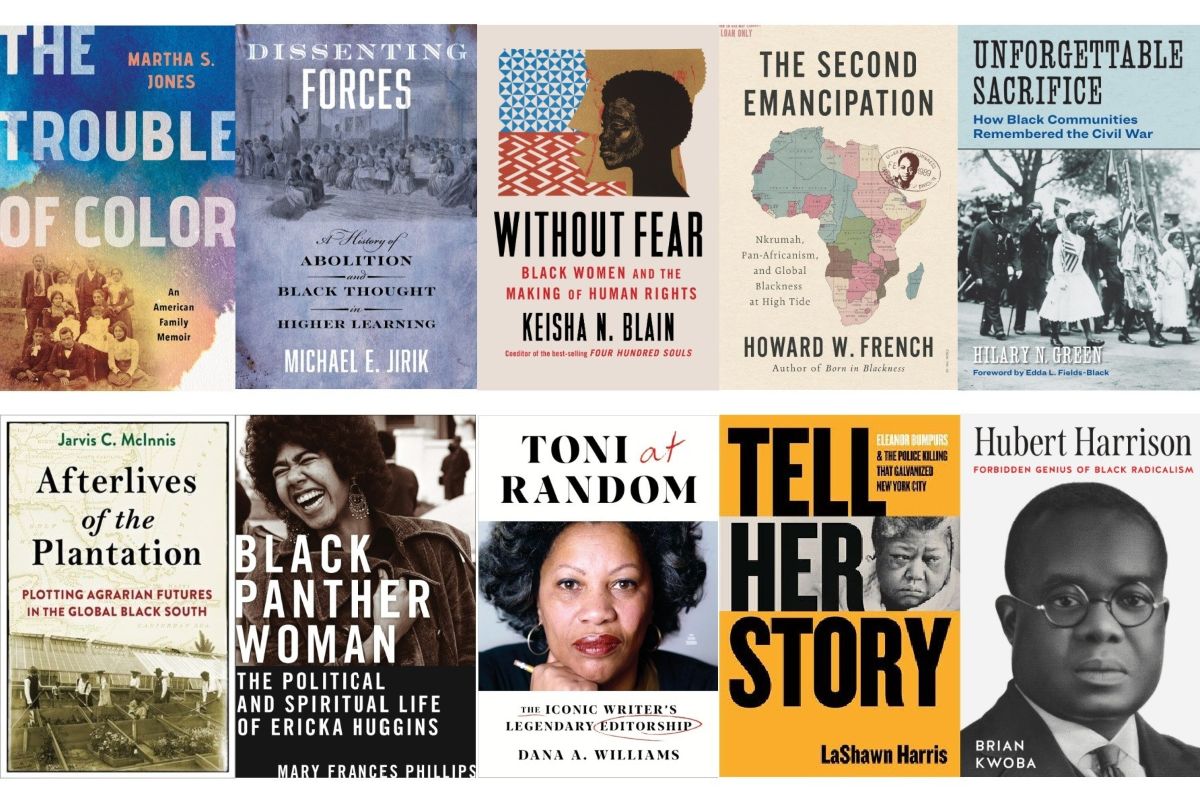
We are excited to unveil the AAIHS list of the best books published in 2025! This year’s selection encompasses an extraordinary array of works that delve into the intricate historical narratives surrounding the Black experience in the United States and beyond. From exploration of Black women’s roles in civil rights to reflections on the influential life of Kwame Nkrumah, these diverse titles are set to enrich your reading journey in the new year.
Keisha N. Blain, Without Fear: Black Women and the Making of Human Rights (W.W. Norton, 2025)
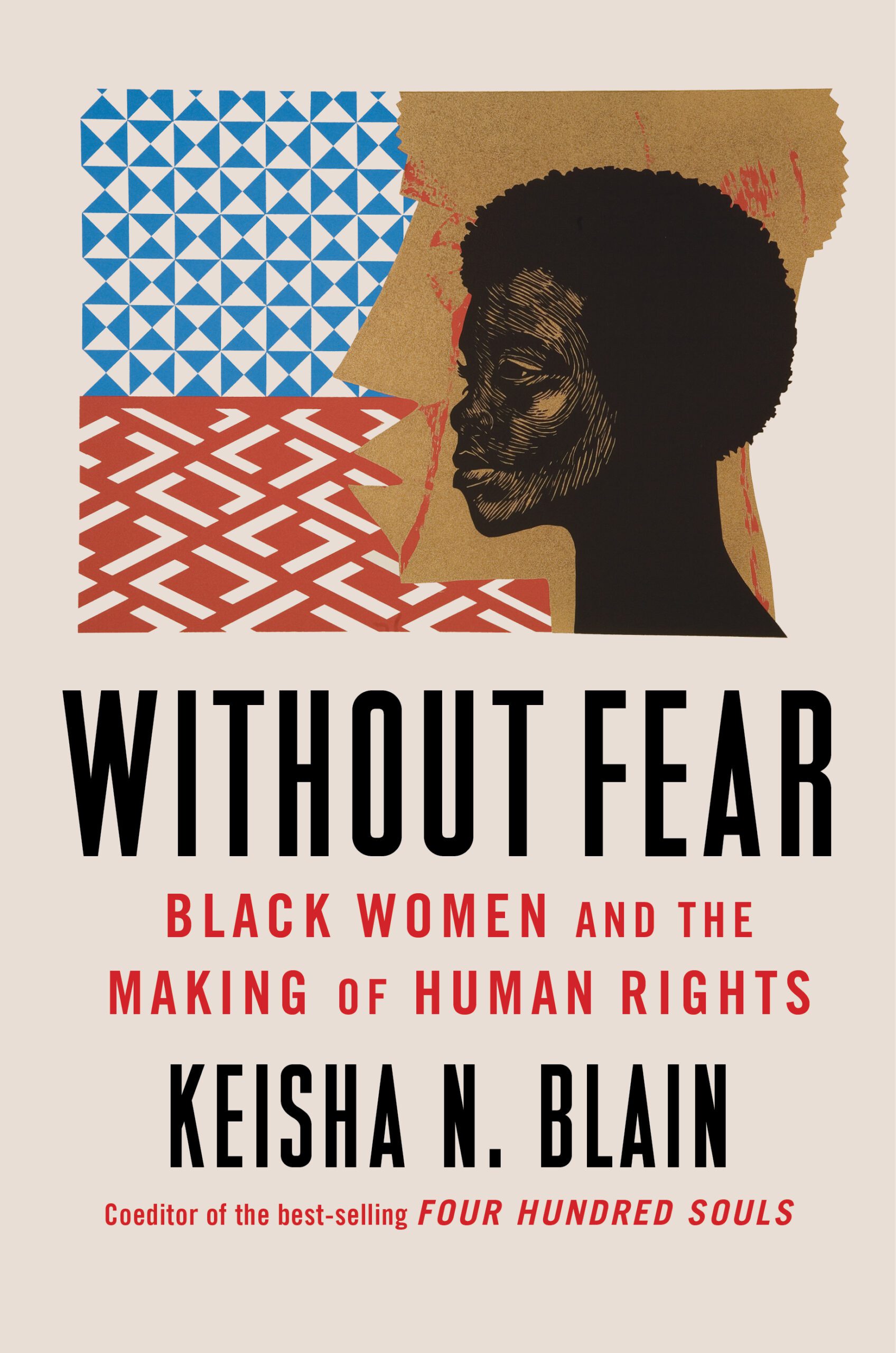 With a focus on Black women’s pivotal roles in the advancement of civil and human rights, Keisha N. Blain’s Without Fear unveils how these women, often marginalized in mainstream narratives, influenced global social movements. Spanning two centuries, Blain’s work not only highlights well-known figures such as Ida B. Wells and Lena Horne but also brings forth voices that have remained in the shadows. The account emphasizes how these women transformed the concept of human rights into a practical framework for activism, showing that the essence of their struggles was always intricately tied to the quest for justice.
Hilary N. Green, Unforgettable Sacrifice: How Black Communities Remembered the Civil War (Fordham University Press, 2025)
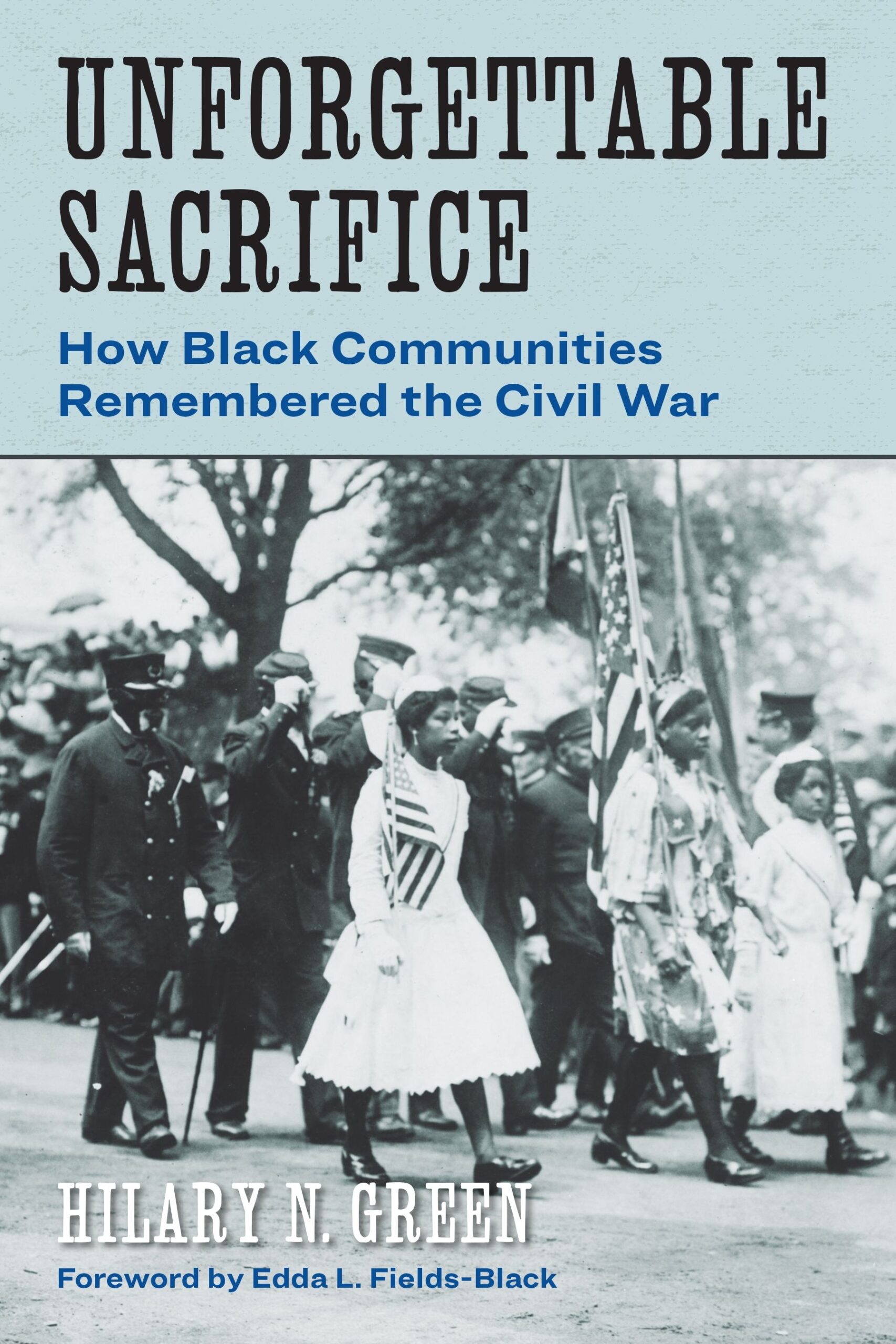 Hilary N. Green’s Unforgettable Sacrifice explores the rich oral traditions and communal efforts of African American communities in preserving the Civil War’s legacy. Through personal narratives and powerful storytelling, Green emphasizes the resilience of these communities as they refuse to be sidelined in the historical discourse. This groundbreaking work ensures that African Americans’ sacrifices and struggles are seen not merely as footnotes, but as central to the nation’s collective memory.
Howard W. French, The Second Emancipation: Nkrumah, Pan-Africanism, and Global Blackness at High Tide (Liveright, 2025)
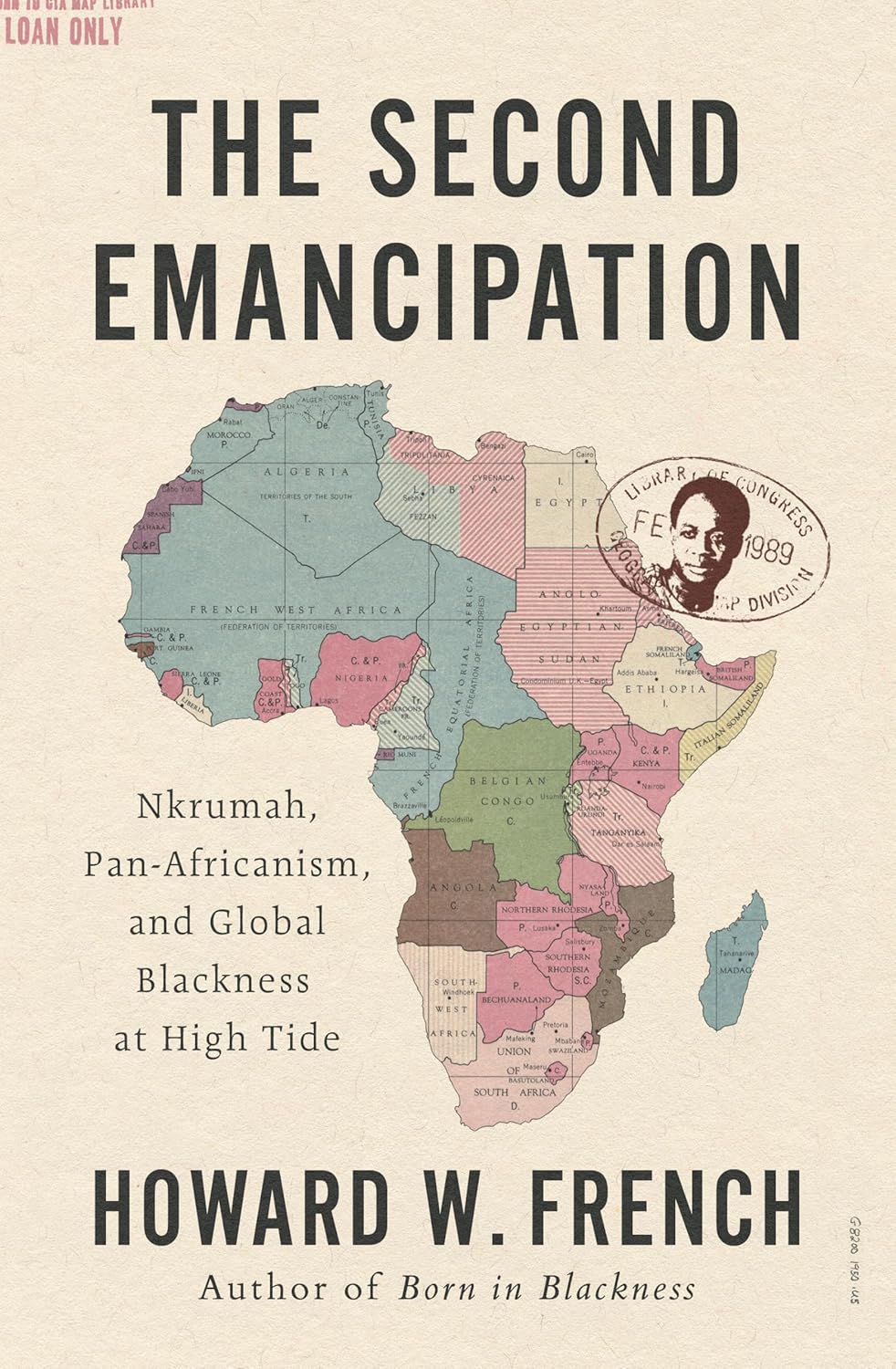 In The Second Emancipation, Howard W. French examines Kwame Nkrumah’s remarkable journey and his role in reshaping the narrative of African liberation. French posits Nkrumah not just as a national leader but as a key figure in the global Black movement. With vivid descriptions of Nkrumah’s experiences—from his formative years in the United States to his rise as Ghana’s first prime minister—French sheds light on how Nkrumah’s ideas continue to influence contemporary discussions on Pan-Africanism and liberation.
LaShawn Harris, Tell Her Story: Eleanor Bumpurs & the Police Killing That Galvanized New York City (Beacon Press, 2025)
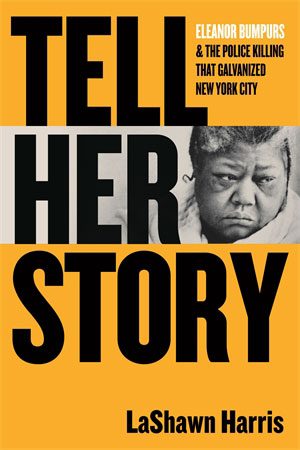 LaShawn Harris’s Tell Her Story recounts the tragic murder of Eleanor Bumpurs, an elderly Black woman, at the hands of NYPD officers in 1984. This poignant work contextualizes her story within the broader landscape of anti-Black violence and its profound impacts on communities. By weaving personal memories with rigorous research, Harris highlights how Bumpurs’ death became a rallying point for movements against police brutality, encapsulating the enduring struggle against systemic racism.
Michael E. Jirik, Dissenting Forces: A History of Abolition and Black Thought in Higher Learning (New York University Press, 2025)
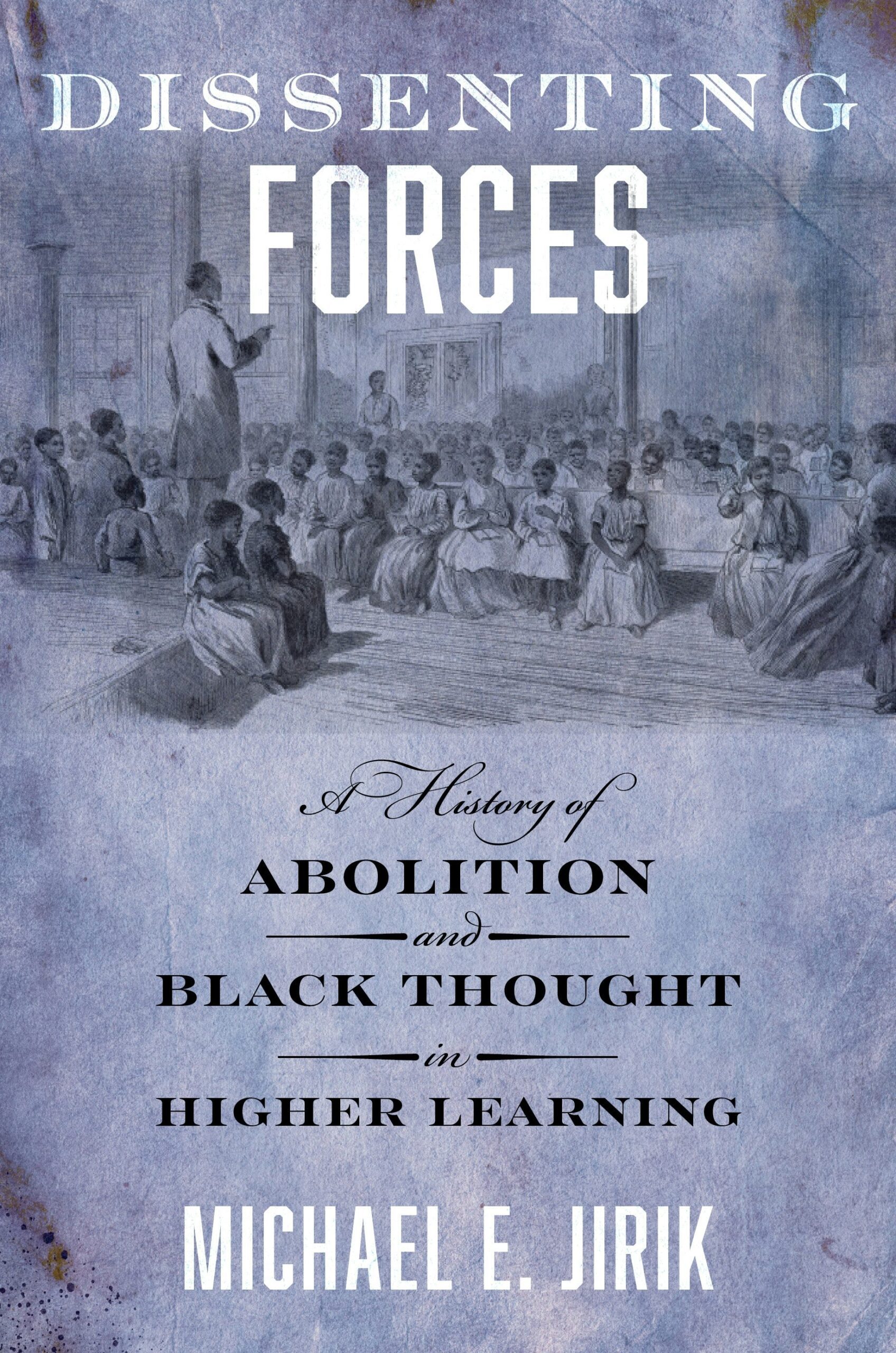 In Dissenting Forces, Michael E. Jirik explores the long, intertwined history of racial slavery, settler colonialism, and academia. This critical examination reveals how Black thought and abolitionist movements have shaped American universities from their inception. Jirik chronicles the struggles of Black activists who fought against institutional racism, illuminating their legacy in the pursuit of academic freedom and self-determination.
Martha S. Jones, The Trouble of Color: An American Family Memoir (Basic Books, 2025)
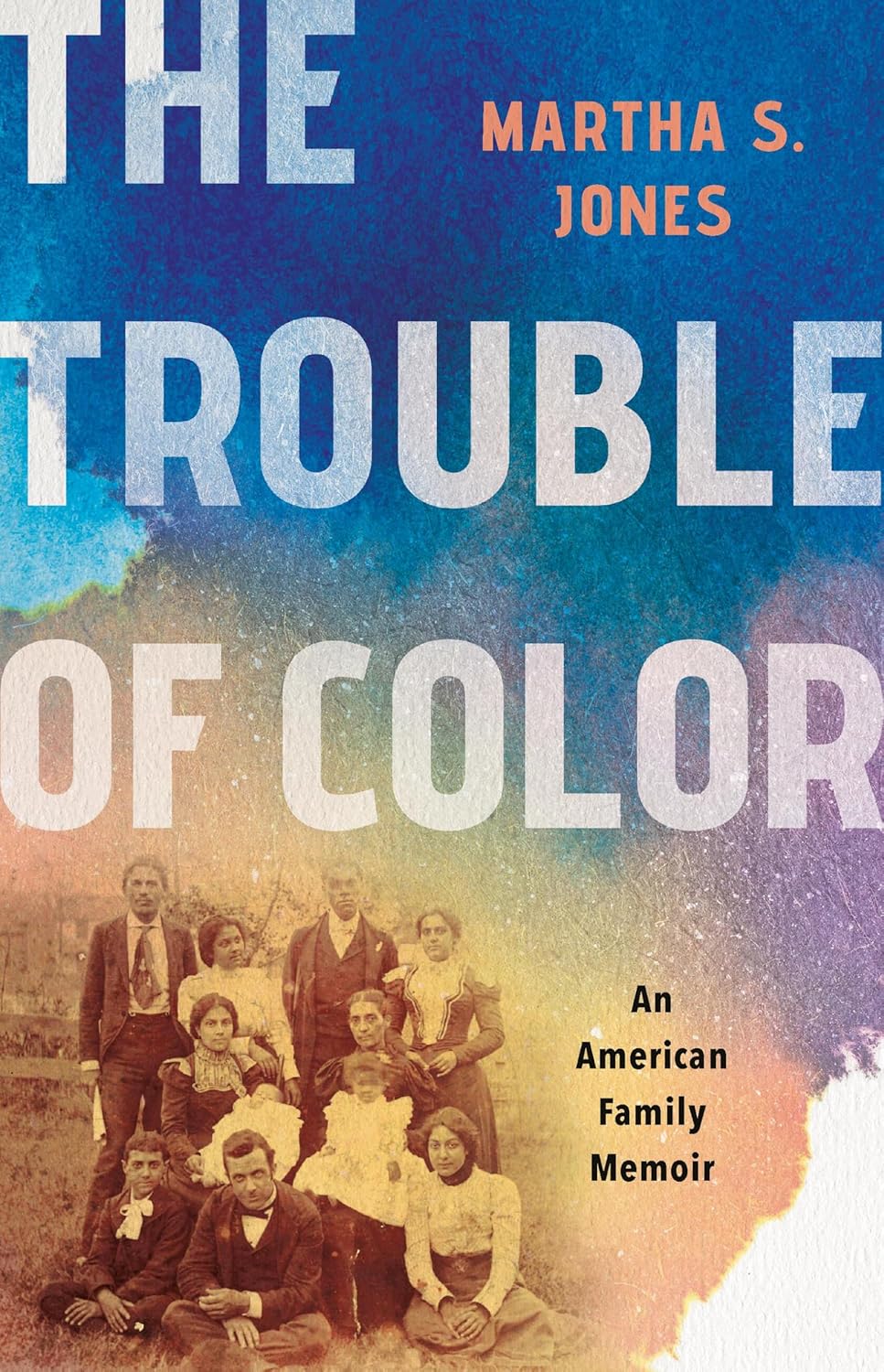 In her reflective memoir, The Trouble of Color, Martha S. Jones grapples with her own identity through a familial lens. The exploration of her ancestors’ lives reveals deep-seated issues of race and belonging. From her great-great-great-grandmother’s survival of enslavement to the shifting dynamics of color in her own lifetime, Jones crafts a lyrical narrative that invites readers to consider the complexities of identity and heritage.
Brian Kwoba, Hubert Harrison: Forbidden Genius of Black Radicalism (University of North Carolina Press)
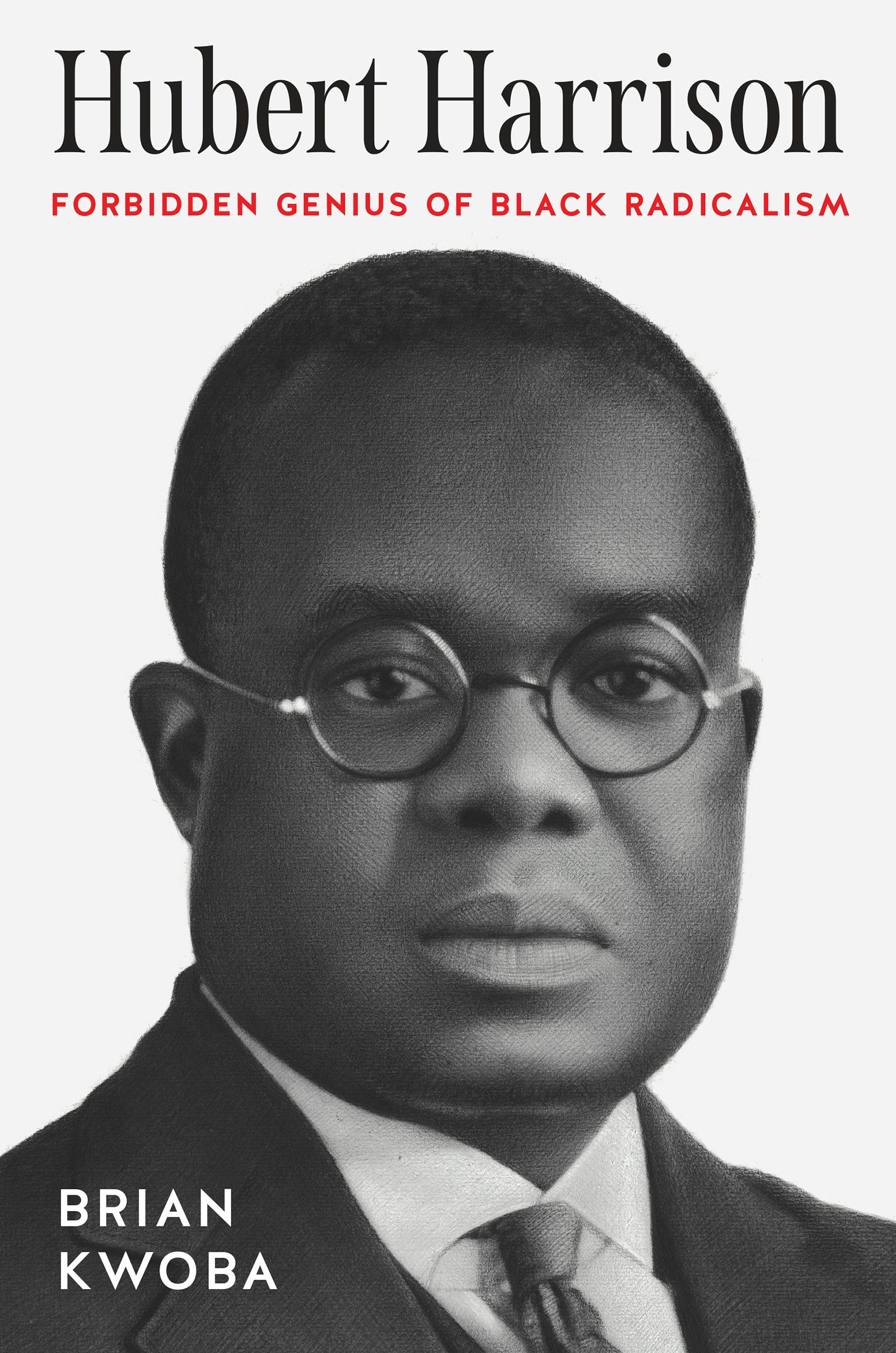 Brian Kwoba’s examination of Hubert Harrison reveals a radical thinker often overlooked in history. Harrison’s contributions to journalism, activism, and education resonate in today’s socio-political climate. His advocacy for socialism and international unity serves as a historical touchstone, illustrating the intersections of race, class, and liberation. Hubert Harrison strives to restore his voice amidst the noise of forgotten narratives, emphasizing the relevance of his ideas in contemporary movements.
Jarvis C. McInnis, Afterlives of the Plantation: Plotting Agrarian Futures in the Global Black South (Columbia University Press)
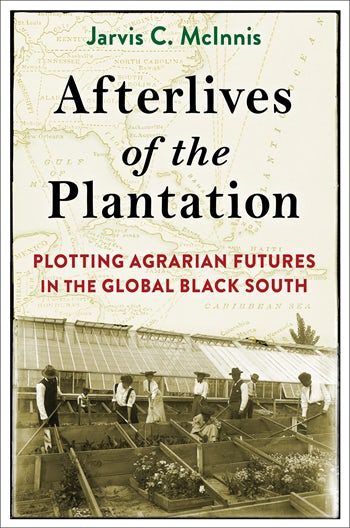 Jarvis C. McInnis navigates the legacy of the plantation through the lens of Black self-determination in his pivotal work, Afterlives of the Plantation. By focusing on institutions like the Tuskegee Institute, McInnis illustrates how Black communities reimagined agricultural practices as forms of liberation. The book highlights the interconnectedness of Black histories across the diaspora, juxtaposing rural existence with urban narratives, and challenges readers to rethink the trajectory of Black modernity.
Mary Frances Phillips, Black Panther Woman: The Political and Spiritual Life of Erika Huggins (New York University Press)
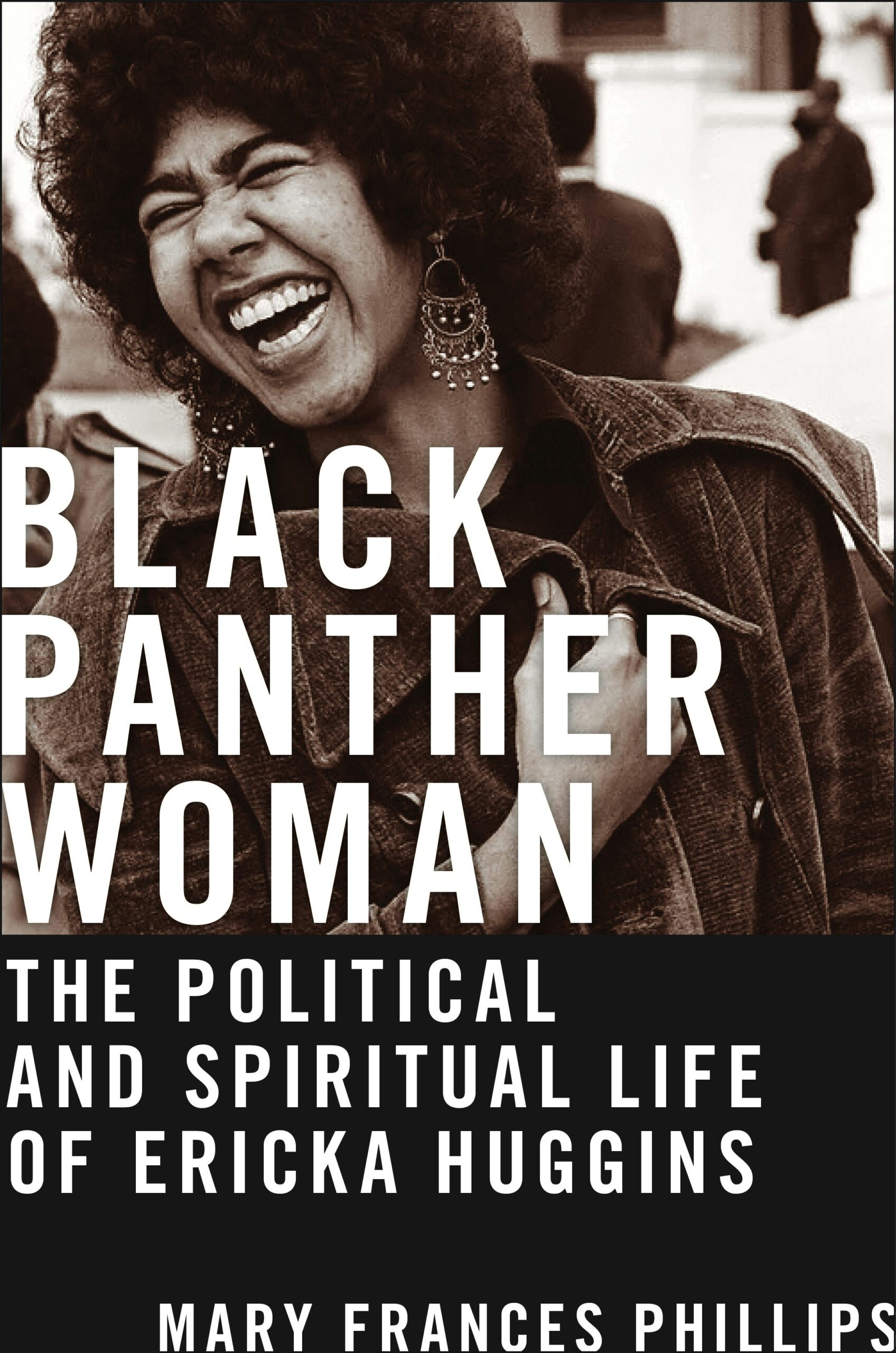 This biography sheds light on Ericka Huggins, offering insights into her spiritual and political journey through the lens of Black feminist thought. Mary Frances Phillips highlights Huggins’s resilience amid political persecution and emphasizes spiritual care in her activism. This work contributes significantly to understanding the complexities of gender, motherhood, and political resistance within the Black Panther Party, providing a holistic view of the movement’s intricacies.
Dana A. Williams, Toni at Random: The Iconic Writer’s Legendary Editorship (Amistad Books, 2025)
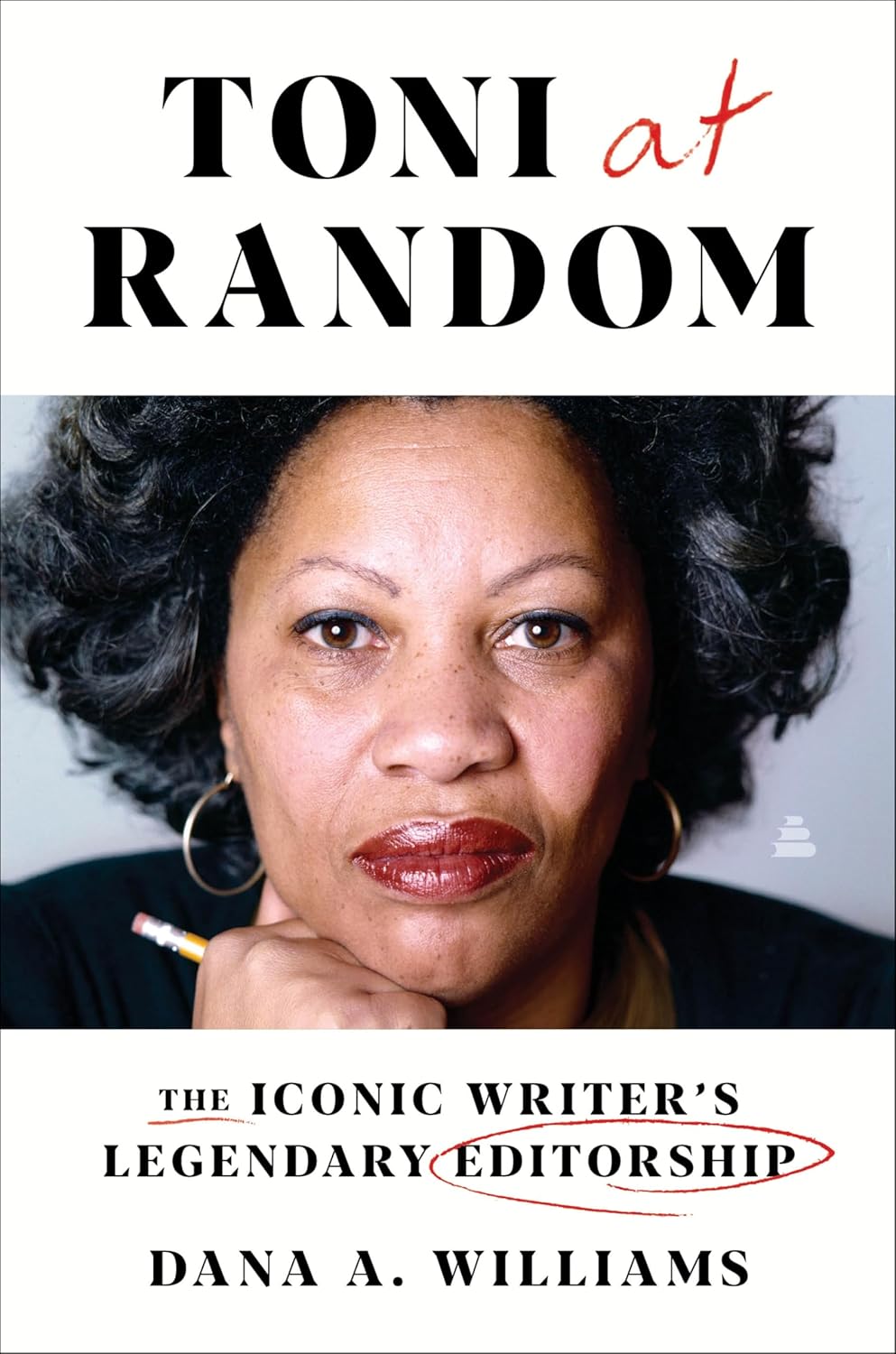 Dana A. Williams offers a comprehensive exploration of Toni Morrison’s editorial legacy in her book, Toni at Random. Morrison’s role as an influential editor helped shape numerous prominent voices in American literature. Drawing from firsthand accounts and extensive research, this work illuminates the profound impact Morrison made not only as a writer but as a visionary editor, championing diverse narratives that transformed the literary landscape.