


The Kennedy Center: A Stage Under New Direction
Tensions and Transformations
The Kennedy Center for the Performing Arts, a landmark cultural institution in Washington, D.C., is experiencing significant transformations under the influence of recent political shifts. This artistic hub, known for its dedication to honoring creative excellence, is now entangled in controversy tethered to political agendas—particularly under the leadership of former president Donald Trump. This article explores the evolving narrative of the Kennedy Center, its ongoing struggles for artistic integrity, and the implications of its current management.
Trump’s Involvement: A Cultural Rebranding
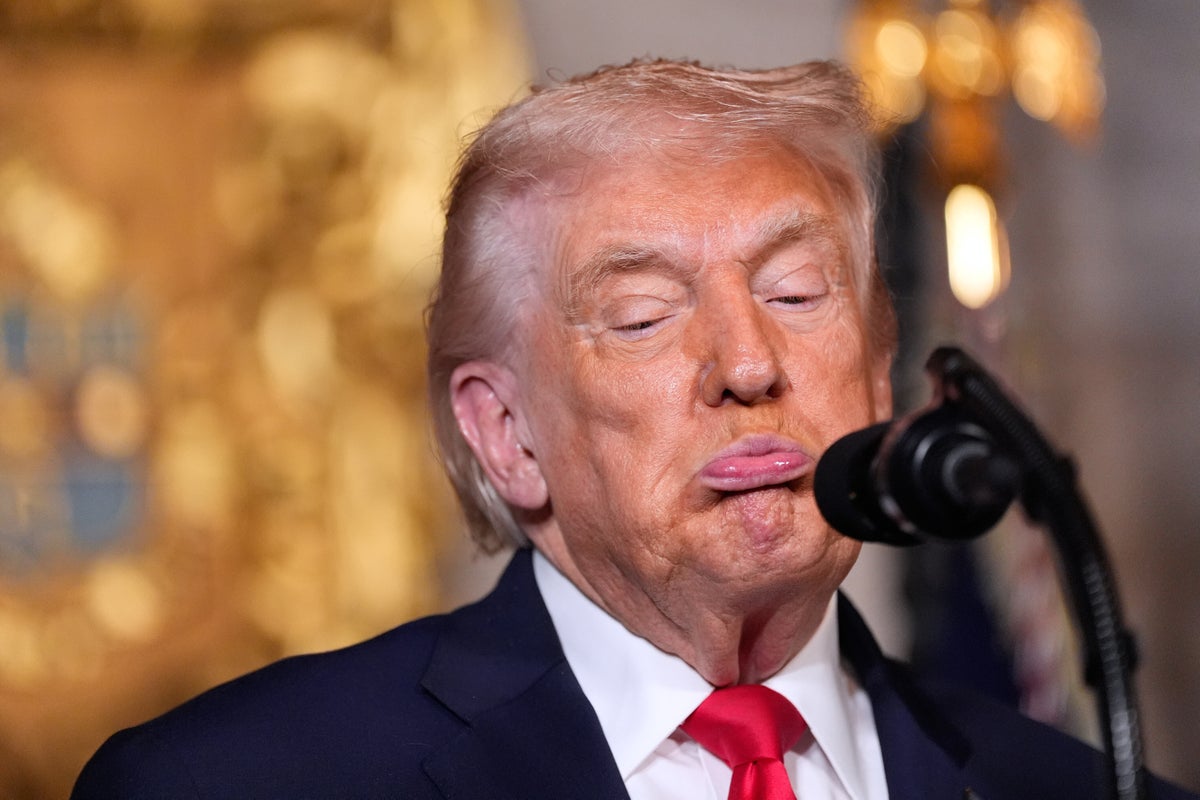
Donald Trump has made headlines by asserting his influence over the Kennedy Center, proposing a renaming of the iconic venue to the “Trump-Kennedy Center.” This move, perceived as a bold attempt to mesh his legacy with a historically significant institution, sparked outrage, particularly among Democrats who question the legality of this decision. Critics argue that such renaming reduces a celebrated cultural sanctuary to a partisan talking point, undermining its previous role as a bipartisan entity.
The Ongoing Kennedy Center Honors
In the midst of this turmoil, the annual Kennedy Center Honors remains a staple of American cultural life, aiming to celebrate achievements in the arts. This year, the event highlighted artists like Gloria Gaynor and Sylvester Stallone, whose selections seem strategically aligned with Trump’s political leanings. However, media attention has shifted away from honoring these icons to focusing on Trump’s polarizing presence, overshadowing the intended celebration of creativity and artistry.
Ticket Sales: A Declining Audience
As political discord envelops the Kennedy Center, its audience response reveals deep-seated discontent. Following Trump’s announcement of a board takeover, ticket sales have plummeted—reportedly down by 36%—mirroring the growing disconnection between the institution and its historical supporters. The fallout suggests a cultural chasm widening between audiences and the current administration’s approach to governance and the arts.
Artistic Integrity Under Attack
The appointment of Richard Grenell, Trump’s former ambassador to Germany, as interim president of the Kennedy Center has raised eyebrows among performers and audiences alike. His public statements denouncing artists who choose to withdraw from the Center’s programming reflect a broader tension regarding artistic expression in politically charged environments. Grenell’s assertion that artists should cater to diverse audiences regardless of personal beliefs raises questions about the integrity of artistic modernity when juxtaposed with partisan pressures.
Cancellation Controversies
Tensions have further escalated with the abrupt cancellation of performances by various artists and groups, including the Gay Men’s Chorus of Washington, D.C. Despite not planning to withdraw, the chorus found its show scrapped, leading to accusations of censorship and intolerance within the programming. This interruption not only affects the artists involved but highlights a crucial concern about the erosion of artistic freedom and expression at a federal level—a prospect that alarmed many observers from both sides of the political spectrum.
The Changing Face of American Culture
Under Trump’s tenure, the Kennedy Center has seen a notable shift in its programming and public image. Various initiatives have been scrutinized for their alignment with traditional conservative values, sometimes even stirring backlash against performances associated with LGBTQ+ themes. Trump’s criticisms of drag shows and family-oriented events, which were celebrated under previous administrations, illustrate a stark cultural narrowing that could restrict the rich tapestry of performance art typically showcased at the Center.
Artistic Community Response
Many artists and cultural commentators are voicing their concerns over the direction the Kennedy Center is taking. They warn that if artistic integrity continues to be compromised in favor of political allegiance, it could alienate not only performers but audiences as well, potentially leading to an exodus of talent from the Center. This response reflects a broader concern about the ways in which political affiliations shape—and sometimes distort—public engagement with the arts.
Keeping the Public Informed
In this uneasy climate, organizations like The Independent strive to provide unfiltered and factual reporting on developments surrounding the Kennedy Center and its artistic community. Their commitment to transparency and accessibility stands as a counterpoint to the increasing fragmentation of the media landscape, where paywalls and political bias often obscure truth.
Future Uncertain
As discussions about the Kennedy Center evolve, it poses essential questions about the intersection of politics and the arts. Will the institution be able to reclaim its status as a nonpartisan supporter of the arts, or will it remain embroiled in the cultural and political conflicts that define this era? The implications of these choices resonate well beyond the walls of the Center, influencing artistic expression and community trust in the long run.
As Americans continue to navigate a rapidly changing cultural landscape, the Kennedy Center reflects broader societal shifts—serving not just as a venue for performances, but as a battleground for narratives that question the very foundation of artistic freedom and public engagement in the arts.