


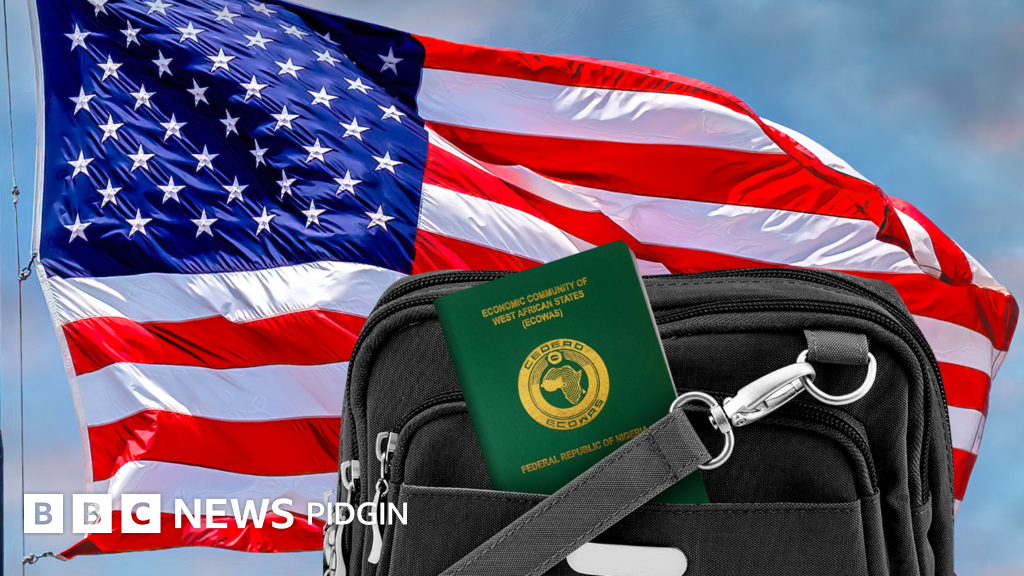
Nigerian Travelers and New US Visa Bond Requirements
Overview of the New Visa Bond System
Recent announcements from the U.S. State Department reveal that Nigerian applicants for B1/B2 visas will soon be required to post bonds ranging from $5,000 to $15,000. This policy affects Nigerians and citizens from 23 other African nations identified as high-risk. The new regulations are set to take effect on January 21, 2026, and are part of a broader, stricter approach to visa applications from countries associated with elevated security risks.
The Context: Why Bond Requirements?
The introduction of visa bonds is aimed at bolstering U.S. border security and ensuring that travelers from high-risk countries adhere to the terms of their visa. This measure follows concerns about terrorism and other criminal activities linked to certain nations, including the persistent issues posed by radical groups such as Boko Haram. The U.S. government believes that visa bonds can be an effective deterrent against overstaying and other violations.
Breakdown of Bond Values
Nigerian applicants will need to post bonds determined during their visa interview. The amount could vary—$5,000, $10,000, or $15,000—based on individual circumstances assessed by consular officers. It’s crucial to note that the bond does not guarantee visa approval; if a fee is paid without direct guidance from the consular officer, that money may be forfeited.
Specific Airports for Entry
For the aforementioned countries, including Nigeria, three U.S. airports have been designated for entry with these new regulations. The chosen locations are:
- Boston Logan International Airport
- John F. Kennedy International Airport (New York)
- Washington Dulles International Airport (Virginia)
These strategic choices likely reflect high traffic patterns from the affected regions.
Refund Policy for Visa Bonds
One vital aspect of the bond requirement is its refundable nature. The U.S. State Department outlines specific conditions under which travelers can reclaim their posted bonds:
-
Departure Compliance: The bond will only be refunded once the Department of Homeland Security confirms the visa holder’s departure from the U.S. within their allowed stay.
-
Visa Expiration: If the applicant has not traveled to the U.S. before their visa expires, the bond will be eligible for a refund.
-
Denial of Entry: If the visa holder is denied entry at a U.S. port, they are also entitled to a refund.
Broader Implications of the Policy
The bond requirement comes amid a backdrop of wider partial travel restrictions that began on December 16, affecting Nigeria and 14 other countries. The criteria for these restrictions were largely based on the challenges the U.S. faces in conducting thorough screenings and vetting procedures due to security concerns in these regions.
Nigerians, in particular, have been noted for exceeding their visa terms—with 5.56% overstaying B1/B2 visas and even higher rates for other visa categories (F, M, and J visas).
Other Countries Affected by Visa Bonds
Nigeria is one of 24 countries scheduled to implement these new bonding requirements. The complete list includes nations like Algeria, Angola, and Cuba, with various implementation dates leading up to January 21, 2026. Notable histories from other African nations indicate that some have already begun similar bond practices, adding another layer of complexity to international travel from these regions.
Conclusion
The new visa bond requirement for Nigerians reflects the U.S. government’s commitment to enhanced border control and security measures. As these regulations come into play, they illuminate the intricate balance between maintaining national security and facilitating international travel.