


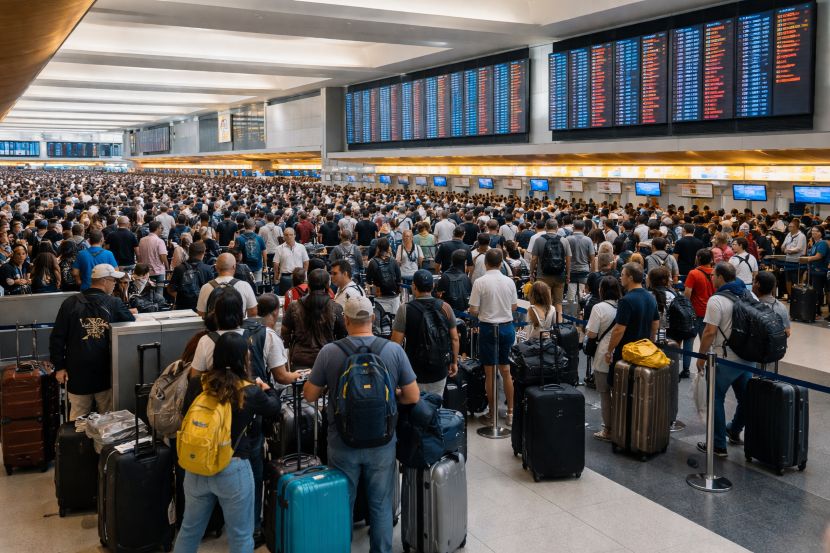
Travelers Disrupted at Los Angeles International Airport
Overview of the Incident
Los Angeles International Airport (LAX), one of the busiest travel hubs in the United States, experienced significant disruptions today. Reports indicate 119 flight delays and 196 cancellations, primarily affecting routes to and from major cities such as New York, London, and Toronto. These cancellations have left thousands of travelers scrambling for alternatives, highlighting the fragility of air travel infrastructure during peak periods.
What Travelers Need to Know First
The immediate impact on travelers is substantial. Passengers at LAX are urged to check their flight statuses frequently, as many experience altered schedules, missed connections, and delays in rebooking processes. Airport authorities recommend arriving at the terminal earlier than usual and working directly with airlines for accommodations regarding refunds or rebookings. In high-volume hubs like LAX, disruptions can quickly propagate, emphasizing the importance of staying informed and patient.
Affected Airports and Airline Operations
While LAX is experiencing the brunt of the disruption, the ripple effects extend well beyond Southern California. It functions as a crucial hub for domestic and international routes, meaning cancellations here impact the entire airline network, causing subsequent delays at airports across the United States. Airlines operating extensive fleets at LAX, including American Airlines, Delta Air Lines, and United Airlines, are making tactical adjustments to their schedules and consolidating flights to manage affected crews and aircraft availability effectively.
Passengers Most Affected
Travelers with tightly scheduled connections or those embarking on time-sensitive trips are feeling the weight of these disruptions most acutely. Family emergencies, business commitments, and international itineraries all hinge on timely air travel, leaving affected passengers in precarious situations. Consumer protection guidelines suggest that passengers may be eligible for refunds or rebooking options, depending on the airline’s policies. Additional challenges arise for families, elderly passengers, and those with disabilities, all of whom must navigate crowded terminals and complex travel plans.
Inbound travelers risk missing connections that could lead to overnight stays or lengthy airport layovers. Conversely, outbound passengers may be left uncertain, as flights are either postponed or rescheduled for a later date. Federal resources advise retaining receipts for expenses incurred due to cancellations and closely monitoring airline notifications for updates.
Causes and Operational Context
Delays and cancellations at LAX can be attributed to several interrelated factors, including air traffic flow management, crew scheduling limitations, aircraft availability, and external elements like weather patterns. Even minor issues can snowball into major disruptions at high-density hubs due to the packed flight schedules and limited flexibility in runway operations.
Government aviation authorities stress the importance of safety in their operational protocols. Decisions made during disruptions aim to adhere to national aviation standards, prioritizing compliance—which, while inconvenient for travelers, helps avert larger systemic risks.
Impact on Tourism and the Local Economy
Los Angeles stands as a global tourism centerpiece, hosting millions of visitors annually for business, entertainment, and leisure. Disruptions at LAX can have immediate economic ramifications, from lost hotel bookings to canceled events and delayed cargo shipments. Reliable air travel is crucial for maintaining tourist confidence, particularly for international visitors planning trips well in advance.
Extended disruptions not only threaten seasonal tourism but could also impact conference attendance and cruise connections departing from Southern California ports. Analyses continually emphasize the significance of resilient airport operations in sustaining regional economic stability.
What Authorities and Airlines Are Doing
Efforts are underway among airport operators, airlines, and federal agencies to restore normalcy at LAX. Steps include the reallocation of departure slots, adjustments to gate use, and prioritizing the availability of aircraft and crews. Passengers are reminded to rely on official notifications from airlines and government travel advisories to avoid misinformation, ensuring that they have the most current information regarding their travel plans.
Bottom Line
The challenges faced today at LAX, marked by 119 delays and 196 cancellations, underscore how swiftly disruptions can unfold at major transport hubs and impact the traveling public. As recovery efforts progress, passengers are encouraged to be proactive—staying informed about flight statuses and understanding their rights during these turbulent times. The situation remains fluid, with aviation authorities monitoring developments to ease the travel experience as soon as possible.