


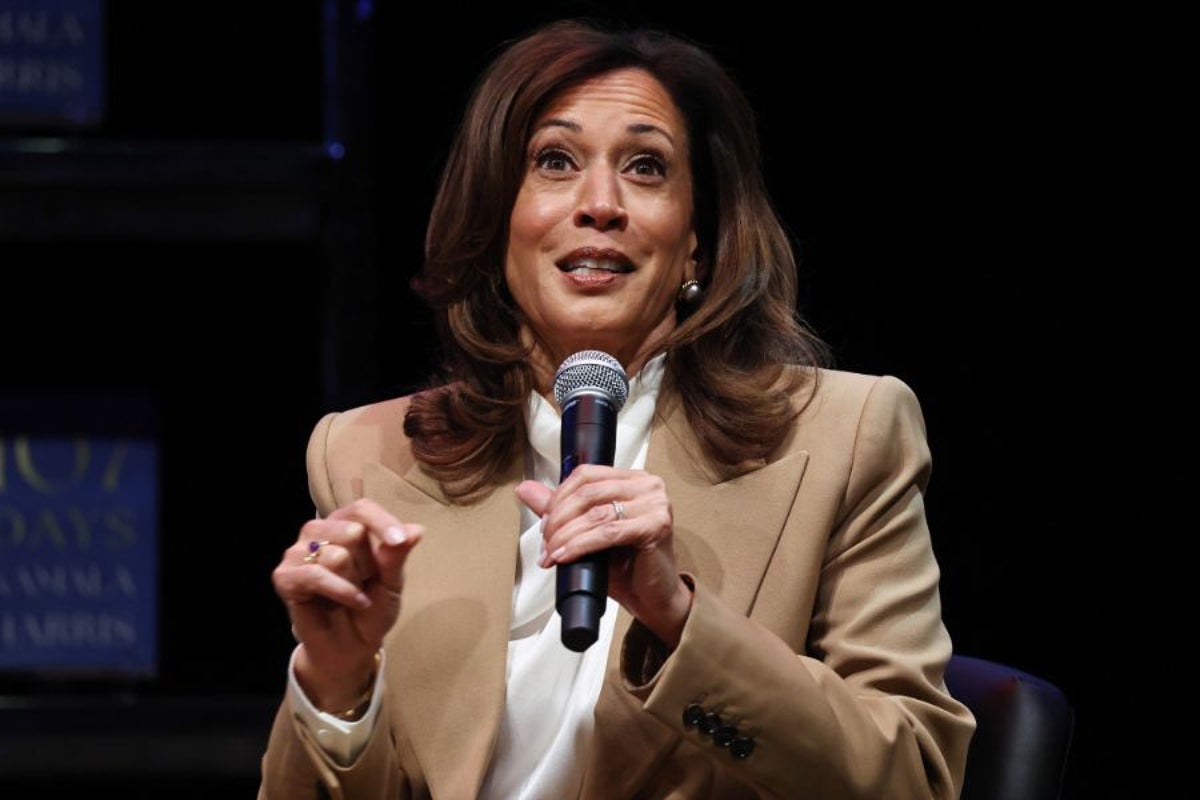
The Erosion of the American Dream: Insights from Kamala Harris
In a recent speech addressing members of the Democratic National Committee, former Vice President Kamala Harris did not hold back in voicing her concerns over the current state of American politics. She articulated a sentiment that resonates deeply among many Americans: the belief that the American dream is fading. This is not just a political statement; it reflects a palpable sentiment of disenchantment felt across various demographics.
The American Dream: A Myth?
Harris boldly claimed that for many, the American dream has become more fiction than fact. The promise that hard work and good citizenship will lead to prosperity seems increasingly out of reach for countless individuals. As the costs of living surge—particularly in essentials like food, housing, transportation, and energy—the dream of a secure and comfortable life becomes a painful reminder of what once was, rather than a attainable reality.
Harris highlighted the stark contrasts in perspectives between politicians and the public. While the Trump administration has minimized concerns regarding inflation and affordability, many Americans are grappling with real economic burdens that challenge their day-to-day existence. This disconnect indicates a fundamental rift between political rhetoric and the lived experiences of citizens.
A Call to Action: Accountability Across Party Lines
During her address, Harris emphasized that both major political parties share the blame for the erosion of public trust. She claimed, “Both parties have failed to hold the public’s trust,” a statement that reflects the dissatisfaction many feel towards institutions once deemed as pillars of support and stability. Notably, her comments suggest that the issues at play extend beyond party politics; they touch on the very principles of governance that should prioritize the needs of the people.
Harris pointed out that government is increasingly seen as an institution incapable of addressing the real needs of its constituents. This perception is critical, as it raises questions about how citizens engage with their government and their role in advocating for change.
The Legacy of Trump: A Symptom or a Cause?
Harris continued her criticism by portraying Donald Trump as a “change agent” who embodies the failures of an entrenched political system. She did not shy away from identifying the stark realities of her claim: under Trump’s leadership, prices and costs have soared, and healthcare affordability is on the brink of becoming untenable for many Americans.
However, she cautioned against placing the blame solely on him, suggesting that Trump and his Make America Great Again movement are merely the symptoms of deeper systemic failures. Factors such as outsourcing, deregulation, and increasing income inequality have all contributed to the complicated socio-economic landscape that challenges the American dream today.
Evolving Challenges to Prosperity
In unpacking the complexities of the American dream, Harris pointed to several modern challenges that have reshaped the national narrative. Job displacement due to artificial intelligence and the division fueled by social media are points of concern that indicate a shift in how Americans view not just employment but also community and connection.
Harris’s remarks suggested that the erosion of the American dream cannot simply be attributed to external political figures; it is also a consequence of broader societal dynamics that require serious examination and understanding.
The Need for a Vision Beyond Nostalgia
Harris urged her fellow Democrats to clarify their vision moving forward, especially as the midterm elections approach. A significant aspect of her message was cautioning against the temptation to merely revert to pre-Trump norms. She emphasized that such nostalgia overlooks the fundamental flaws in the systems that have long supported inequality and disenfranchisement.
Instead, she argued for a robust re-imagining of what governance should look like, one that takes into account the lessons learned from the past and aims to create a more equitable future.
Public Sentiment: Polling Insights
Reinforcing Harris’s position, a recent Politico poll revealed that nearly half of respondents felt the American dream no longer exists. This statistic underscores the urgency of her message and reveals a widespread lack of faith in the promises of prosperity and opportunity that once defined the United States.
In summary, Kamala Harris’s speech at the Democratic National Committee encapsulated significant fears and frustrations regarding the current political landscape and its impact on the American dream. Through her emphasis on accountability, evolving challenges, and the need for visionary leadership, she highlighted the urgency for fundamental change in American politics. The journey ahead is sure to be complex, requiring collective effort and innovative thinking to restore faith in the promise of the American dream.