


Tensions Rise After Fatal ICE Shooting in Minneapolis
The recent fatal shooting of Renee Good by an ICE agent in Minneapolis has sparked widespread outrage and protests, drawing attention to the aggressive tactics employed by U.S. immigration enforcement agencies. This incident, which has become a flashpoint for discussions about law enforcement and immigration policies, is significantly testing the narrative of the Trump administration.
The Incident and Immediate Reactions
Renee Good, a 37-year-old mother of three and a poet, was acting as a legal observer during an ICE raid when she was shot. Eyewitness accounts and video evidence suggest she was not a threat to the agent involved, identified as Jonathan Ross. This has prompted conflicting narratives from the Trump administration, particularly from Vice President JD Vance, who claimed Good attempted to ram the vehicle towards the agent.
Community Pushback
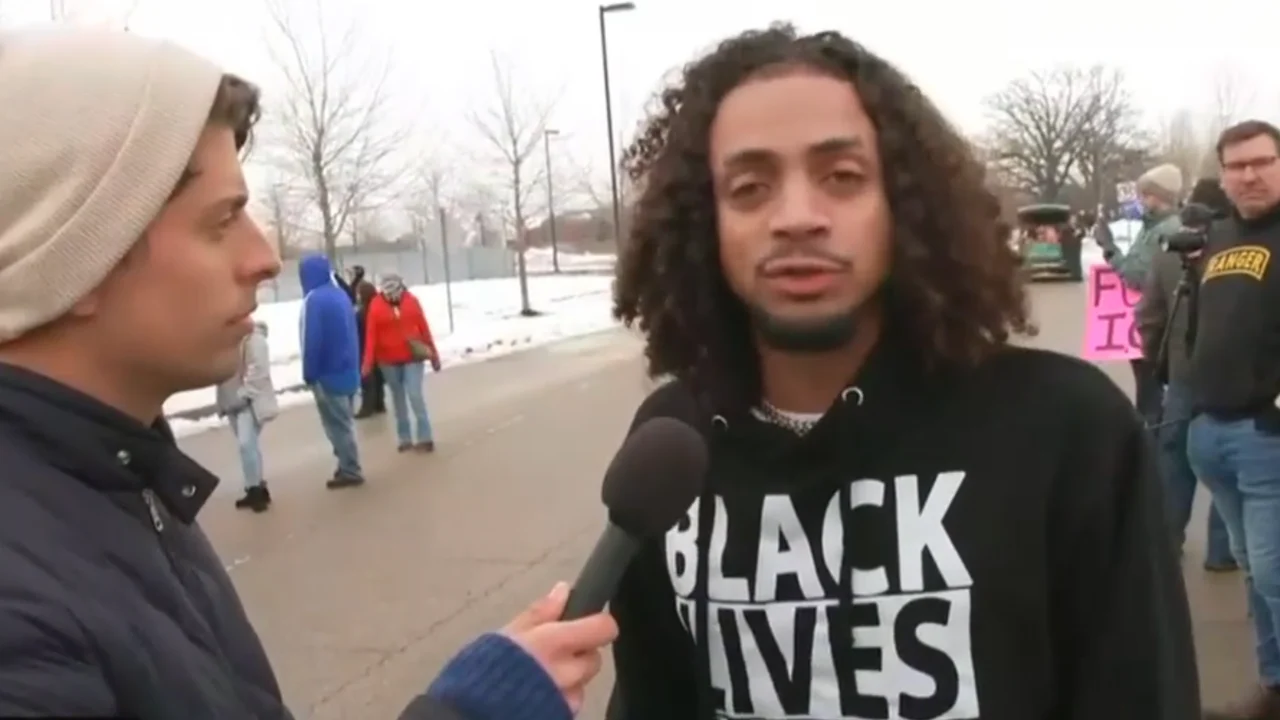
Within the community, many residents reject this official portrayal. Cassius Pryce, a self-identified Trump supporter, has voiced his disappointment in the administration’s rhetoric. “My message to Trump is, you know, let’s go about it the right way,” Pryce emphasized. His call for a more humane approach stems from witnessing firsthand the impact of current immigration policies on his community.
Pryce articulates a strong denunciation of the ICE agents, labeling them “tyrants” and asserting that the enforcement measures are both inhumane and dangerous. His passionate remarks reflect a growing frustration among constituents who feel marginalized and threatened by heavy-handed government actions.
Protests Erupt
In the wake of Good’s death, protests have erupted not only in Minneapolis but also in cities like New York and Washington, D.C., highlighting the broader implications of the shooting. Demonstrators have gathered, demanding justice for Good and urging a reevaluation of immigration enforcement tactics.
Lulete Mola, president and co-founder of the Black Collective Foundation of Minnesota, also expressed concern over how narratives are being shaped for political gain. She emphasized the human cost of these discussions, stating, “False narratives cost lives, and I think we need to take that very seriously.” This sentiment captures the shared fear among community members, who feel that political ambitions are overshadowing urgent humanitarian concerns.
The Broader Context
Good’s death resonates deeply within the community, particularly given its proximity to the site of George Floyd’s murder. Mola pointed out that the repeated trauma from police violence continues to impact residents. “We are still mourning the murder of George Floyd,” she mentioned, underscoring the long-lasting scars left by systemic injustice and the urgent need for accountability.
The allegations surrounding predictive narratives and apparent fabrications of events complicate matters even further. Residents argue that the aggressive actions and narratives pushed by the Trump administration are attempting to manipulate public perception in their favor, often at a significant moral and human cost.
The Ongoing Investigation
While the FBI has initiated an investigation into Good’s death, the administration’s narrative appears to be already solidifying, casting a long shadow over the facts of the case. With thousands of federal agents now deployed in Minneapolis, tensions are high as the community grapples with feelings of vulnerability and fear amidst an increase in federal scrutiny.
A Call for Justice
As calls for a fair investigation grow, leaders within the community are stressing the importance of addressing wrongful narratives and ensuring that the true circumstances surrounding Good’s death are acknowledged. The assertion that “this is not what happened” from witnesses like Pryce serves as a crucial reminder of the disparities between official accounts and the reality experienced by residents.
In this climate of escalating tension, the community is steadfast in its demand for justice and a more humane approach to immigration enforcement. The tragic death of Renee Good stands as both a poignant reflection of ongoing social struggles and a catalyst for renewed activism in the fight for accountability and dignity in the face of state power.