


EPA’s Website Changes: A Shift in Climate Change Messaging
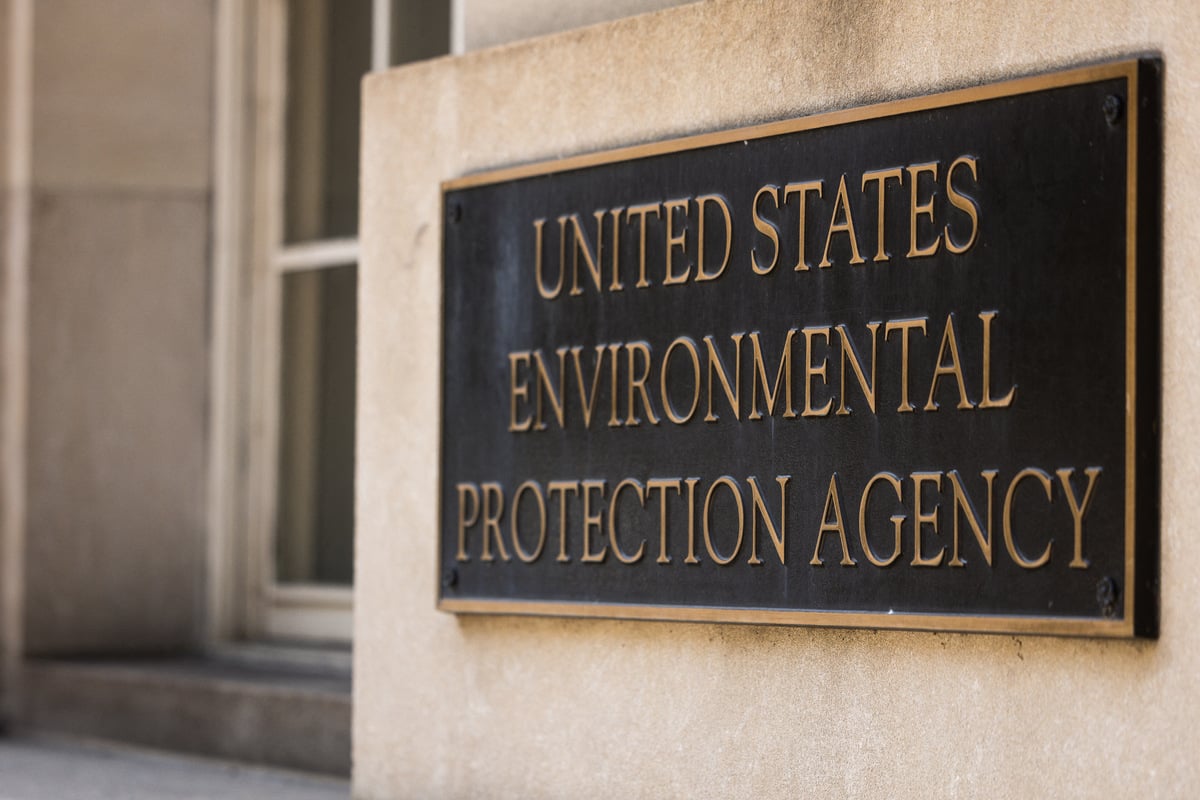
Washington, D.C. – Recently, the Environmental Protection Agency (EPA) has faced scrutiny over significant edits made to its website that appear to downplay the role of human activity in climate change. Reports from various media outlets, including the Washington Post and the New York Times, highlight how critical information related to climate change has been altered or removed from public view.
The Overview of Changes
In October, the EPA updated its online content, specifically altering a webpage titled “Causes of Climate Change.” The adjustments appear to pivot the focus from human-induced climate impacts to natural phenomena such as volcanic eruptions and solar variability. Such changes raise alarms about the agency’s commitment to addressing one of the most pressing environmental issues of our time.
Additionally, other critical web pages, including those documenting the consequences of global warming in the United States, have also seen modifications. Notably, a page that discussed rising sea levels and diminishing Arctic ice – both clear indicators of climatic shifts – has been reportedly deleted.
User Reactions and Expert Opinions
Academics and climate advocates are concerned about the implications of these changes. Daniel Swain, a climate scientist at the University of California, remarked on the deletions as “one of the most dramatic scrubbings we’ve seen so far in the climate space.” Swain emphasized that the removal of such vital information either entirely or replaced with potentially misleading content can have detrimental effects on public awareness and policy discussions related to climate change.
The alterations have not gone unnoticed by the public and environmentalists alike, who argue that the transparency expected from such a significant federal agency is crucial in today’s climate crisis. The public is increasingly demanding accountability from agencies responsible for safeguarding the environment.
Political Context
This shift comes against a backdrop of political tension surrounding climate change policies, particularly during the Trump administration. The former President has been vocal in his opposition to renewable energy sources, particularly criticizing wind power while advocating for increased fossil fuel extraction on American soil. Furthermore, his administration has significantly cut funding for research initiatives aimed at understanding and combating climate change.
In a recent statement to the Washington Post, EPA press secretary Brigit Hirsch made a clear distinction between the Trump administration and its predecessor, President Joe Biden’s administration, suggesting that previous “left-wing political agendas” are no longer the guiding principles. This denotes a broader political strategy to align the agency’s messaging with business interests, particularly those related to fossil fuels.
The Influence of Fossil Fuel Interests
Donald Trump’s relationship with the fossil fuel industry is well-documented, showcasing how campaign contributions and industry lobbying have influenced both his policies and the actions of regulatory agencies. The Brennan Center has highlighted the significant financial backing Trump has received from fossil fuel entities, underscoring potential conflicts of interest in the agency’s current direction.
In rolling back electric vehicle standards and other environmentally friendly initiatives established under the Biden administration, Trump has catered to these industries, aligning the agency’s narrative closer to that of fossil fuel advocates rather than environmental scientists.
Global Impacts of Domestic Policies
The ramifications of the EPA’s website changes and the Trump administration’s approach to climate change policy extend beyond the borders of the United States. The former President’s withdrawal from the Paris Climate Agreement and refusal to send representatives to key international climate meetings, such as COP, signify a retreat from global leadership in addressing climate issues.
This stance not only weakens the U.S.’s credibility on the world stage but also could contribute to a lack of coordinated global response to climate change, as collaboration across countries is essential for effective environmental stewardship.
A Future of Misinformation?
As public discourse swings increasingly toward addressing climate change, the integrity of information provided by federal agencies is critical. Experts fear that continued alterations to factual content may lead to widespread misinformation, hindering efforts to inform the public about the severity of climate-related impacts and the necessary steps to mitigate them.
The deletions at the EPA serve as a stark reminder of the challenges faced in ensuring that accurate, science-based information remains accessible to the public. As those in the scientific community continue to express concern, the question remains whether such a trend can be reversed and if transparency will be restored to a topic that profoundly impacts the future of our planet.